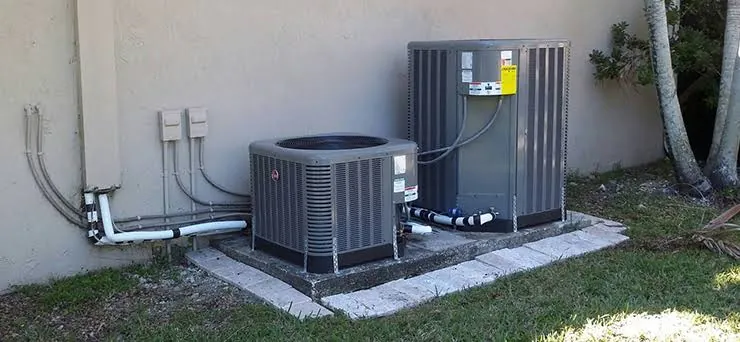
Mass Save heat pump installation is the process of installing qualified electric heat pump equipment in a Massachusetts home while following the requirements of the utility-sponsored Mass Save® efficiency program. The program is sponsored by participating Massachusetts electric and gas utilities, and participation requires an eligible Massachusetts utility account. Current incentive levels, equipment rules and documentation requirements are set by the program and confirmed at the time of application. Prodigy Climate Solutions is a licensed Massachusetts HVAC contractor helping homeowners plan, size and install heat pump systems that match local homes and New England weather. Our service area includes Metro Boston, MetroWest and Worcester County, where housing types range from older multifamily buildings and condos to Capes, Colonials and newer additions. A successful project is not only a rebate form. It is a load calculation, equipment selection, placement plan, electrical review, installation, commissioning and homeowner education process. Prodigy helps you understand what the program may require, what your home needs and how to move from interest to a properly installed heat pump system. Call (857) 316-8944 for guidance.
Mass Save® is the Massachusetts utility-sponsored efficiency program. Prodigy Climate Solutions is the licensed HVAC contractor that evaluates, designs and installs the heat pump system while helping homeowners understand current program documentation.
Participation depends on having an eligible Massachusetts utility account. Homeowners should confirm account eligibility early because program rules, incentive categories and required paperwork are determined by Mass Save and participating utilities.
Incentive levels are not fixed forever. Mass Save sets current amounts, tiers and requirements, and those details should be verified at the time of application before relying on any project estimate.
Massachusetts heat pump installation must account for winter conditions. Equipment should be selected for heating performance, proper sizing, defrost behavior, drainage, outdoor placement and the home’s actual heat loss.
Older Boston-area homes often have additions, limited chases, varied insulation and unusual room layouts. Installation planning should address airflow, line routing, electrical capacity and zoning before equipment is ordered.
Prodigy Climate Solutions serves Metro Boston, MetroWest and Worcester County. Homeowners can call (857) 316-8944 for help planning a Mass Save heat pump installation and confirming next steps.
Mass Save heat pump installation connects three separate items: an eligible Massachusetts utility account, qualifying heat pump equipment and professional installation that supports program documentation. Mass Save® is not an HVAC company. It is the utility-sponsored energy-efficiency program in Massachusetts. The contractor designs and installs the system, while the program sets current incentive categories, equipment eligibility rules and application requirements. A heat pump can provide heating and cooling by moving heat rather than creating heat through combustion. In Massachusetts, the equipment must be selected for cold-weather performance, not only summer cooling. Installation may involve ductless indoor units, a ducted air handler, or a mixed system serving different zones. The best configuration depends on the home’s layout, insulation, electrical capacity and owner goals. Prodigy Climate Solutions evaluates these conditions before recommending equipment. We also explain what information is typically needed for Mass Save paperwork, such as utility account details, equipment information and proof of installation, while confirming the current program rules before submission.
A strong installation starts with design. Prodigy Climate Solutions reviews the existing home, heating and cooling goals, room-by-room comfort problems, and whether the heat pump will serve as the primary system or as part of a staged transition from older heating systems. Massachusetts homes often have additions, finished attics, uneven insulation, small closets, masonry walls and limited exterior space. These conditions affect equipment size and placement. We look at heat loss, square footage, window exposure, ceiling height, duct condition if applicable, and the location of outdoor units where snow, drainage, service access and noise should be considered. For ductless systems, indoor unit placement affects airflow, appearance and serviceability. For ducted systems, duct sealing, return air and static pressure matter. Prodigy also reviews electrical requirements because many heat pump installations require dedicated circuits or panel coordination. This planning step helps avoid oversized equipment, short cycling, cold rooms and installation details that make service harder later.
A typical Mass Save heat pump installation begins with consultation, site review and equipment selection. After the design is approved, Prodigy coordinates scheduling, equipment delivery and any needed electrical work. Installation can include mounting outdoor equipment, setting indoor units or air handlers, running refrigerant lines, adding condensate drainage, sealing wall penetrations, connecting controls and completing startup procedures. In Massachusetts, outdoor placement should account for snow accumulation, roof runoff and access for maintenance. Line set routing should be clean, protected and practical for long-term service. After physical installation, commissioning is essential. The technician verifies refrigerant procedures, airflow, temperature performance, condensate removal, controls, communication between components and safe operation. Homeowners should receive clear instructions on thermostat or remote use, filter cleaning and when to use different modes. Prodigy also helps organize required documentation for Mass Save review when applicable. Program incentive tiers and required forms can change, so current rules are confirmed during the project.
The right heat pump setup depends on the home, not a one-size-fits-all package. A ductless mini split may be ideal for a finished attic, basement office, addition or home without usable ductwork. A ducted heat pump may fit homes with existing ducts that can support proper airflow. Some houses benefit from multiple zones because bedrooms, main living areas and additions have different loads and schedules. In Metro Boston condos and multifamily properties, association rules, exterior wall access and equipment location can shape the design. In MetroWest and Worcester County, larger lots may offer more placement options but winter exposure and longer heating hours still matter. Homeowners planning around Mass Save should also consider whether weatherization improvements are recommended through the program, because insulation and air sealing can reduce the load the heat pump must carry. Prodigy Climate Solutions helps homeowners compare practical layouts, comfort impact, installation complexity and program documentation before work begins. The goal is a reliable system, not just eligible equipment.