October 16, 2026
Heat Pump Repair in Lexington: Practical Help for Year-Round Home Comfort
 Articles
Heat pumps work hard in Lexington, MA, especially in ZIP 02420 where a single system may handle damp spring mornings, humid July afternoons, and long stretches of New England winter cold. When that system starts blowing lukewarm air, icing over, short cycling, or running nonstop, the problem is not just comfort. It can affect energy use, indoor humidity, and the lifespan of expensive equipment.
For many Lexington homeowners, heat pump trouble appears at the worst possible time: during a cold snap, before guests arrive, or on a sticky summer night when the upstairs bedrooms will not cool down. Understanding the warning signs and knowing when to call for professional Heat Pump Repair in Lexington, MA can help you avoid bigger failures. Prodigy Climate Solutions helps homeowners get to the root of the issue instead of guessing at parts or living with uneven comfort.
1.Heat Pump Repair in Lexington, MA: Problems Local Homes See Most
Lexington homes include everything from older Colonials near the town center to newer additions and renovated properties with finished basements, sunrooms, and home offices. That variety matters because heat pump performance depends on insulation, ductwork, electrical capacity, thermostat placement, and how the home was updated over time. A heat pump that worked well in October may struggle in January if the refrigerant charge is off, airflow is restricted, or the outdoor unit is buried in snow and ice.
One common complaint is that the system runs but does not heat enough. In winter, a heat pump should move heat from the outdoor air into the home, even when the temperature drops. If supply air feels cool for long periods, possible causes include a dirty coil, low refrigerant, a malfunctioning reversing valve, failed sensors, or auxiliary heat that is not engaging correctly. Homeowners sometimes assume the system is simply too small, but many comfort problems come from repairable faults.
Another frequent issue is poor summer cooling and humidity control. Lexington summers can be muggy, and a heat pump that short cycles may lower the temperature slightly while leaving the air feeling clammy. Short cycling can stem from thermostat problems, clogged filters, frozen coils, an oversized system, or electrical components failing under load. A careful diagnosis is important because replacing a part without correcting airflow or control issues may not solve the comfort problem.
Noise also deserves attention. A soft hum is normal, but grinding, rattling, buzzing, or repeated clicking should be checked. Outdoor units sit through rain, leaves, pollen, acorns, and winter storms. Loose panels, worn fan motors, failing contactors, and debris around the fan can all create sounds that signal trouble before the system shuts down completely.
2.Warning Signs Your Heat Pump Needs Professional Attention
A heat pump rarely fails without giving some clues. The earlier you respond, the more options a technician usually has for a straightforward repair. Waiting can turn a minor electrical issue, refrigerant leak, or airflow restriction into a compressor problem or a no-heat call on the coldest weekend of the season.
The system runs constantly
During extreme weather, longer run times can be normal. But if your heat pump never seems to satisfy the thermostat on a 35-degree day, something is wrong. The cause may be a refrigerant issue, weak compressor operation, a dirty outdoor coil, leaky ductwork, or a thermostat that is reading the room incorrectly. In a Lexington home with multiple levels, the problem may show up first in a back bedroom, office over the garage, or finished attic.
Airflow is weak or uneven
Weak airflow can make a healthy heat pump seem broken. Dirty filters are the first thing to check, but they are not the only possibility. Blocked returns, closed registers, dust buildup on the indoor coil, blower motor trouble, and duct restrictions can all reduce airflow. Poor airflow also increases the risk of coil freezing in cooling mode and overheating or pressure problems in heating mode.
Ice forms in the wrong places
A light frost on the outdoor unit in winter can be normal, and the heat pump should periodically enter defrost mode. Thick ice that does not clear, ice on the indoor coil, or water pooling around equipment needs attention. Defrost control problems, faulty sensors, low refrigerant, and airflow issues can all contribute. Chipping ice off the unit is not recommended because it can damage the coil or fan blades.
Utility bills change suddenly
If your usage habits are the same but your electric bill jumps, the system may be working harder than it should. A heat pump with a failing component may still keep the house close to the set temperature while consuming more energy. That hidden strain often shows up before the home becomes noticeably uncomfortable.
3.What Homeowners Can Check Before Calling for Service
Some heat pump issues have simple causes that homeowners can safely check. Start with the thermostat. Confirm it is set to heating or cooling, the temperature setting makes sense, and the fan is not accidentally set to on if you expect it to cycle automatically. If the thermostat uses batteries, replace them if the display is dim or intermittent.
Next, inspect the air filter. A clogged filter can create a surprising number of problems, including weak airflow, frozen coils, longer run times, and uneven temperatures. Many homes need filter changes more often during heavy use, renovation projects, allergy season, or if pets shed. Use the filter type recommended for your system, because a filter that is too restrictive can also reduce airflow.
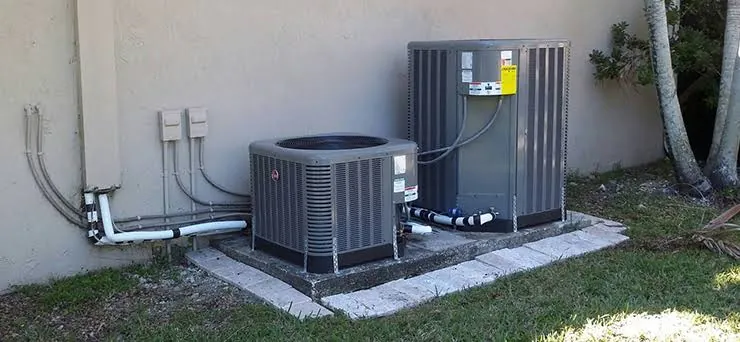
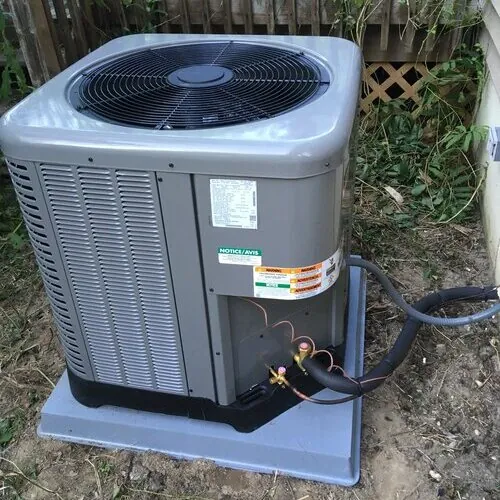
Look at the outdoor unit from a safe distance. Clear away leaves, sticks, snow, and debris around the cabinet. The unit needs open space to move air. In winter, make sure drifting snow is not blocking the sides or top. In summer, grass clippings and plant growth can restrict the coil. Do not remove panels or reach inside the unit while power is connected.
Check your electrical panel only for obvious tripped breakers. If a breaker trips once, you can reset it. If it trips again, leave it off and call a professional. Repeated breaker trips can indicate a serious electrical or motor issue. The same goes for burning smells, buzzing from electrical components, or visible scorch marks near equipment.
These basic checks can save time, but they are not a substitute for diagnosis. Refrigerant handling, control board testing, capacitor replacement, compressor evaluation, and reversing valve repairs require proper tools and training. Prodigy Climate Solutions approaches heat pump repair by looking at the whole system, including airflow, controls, refrigerant circuit, outdoor unit condition, and how the equipment is performing under real operating conditions.
4.How a Professional Heat Pump Repair Visit Should Work
A good repair visit begins with questions. When did the problem start? Does it happen in heating, cooling, or both? Are some rooms worse than others? Has the filter been changed recently? Did the issue begin after a storm, power outage, renovation, or thermostat adjustment? These details help narrow the problem before tools even come out.
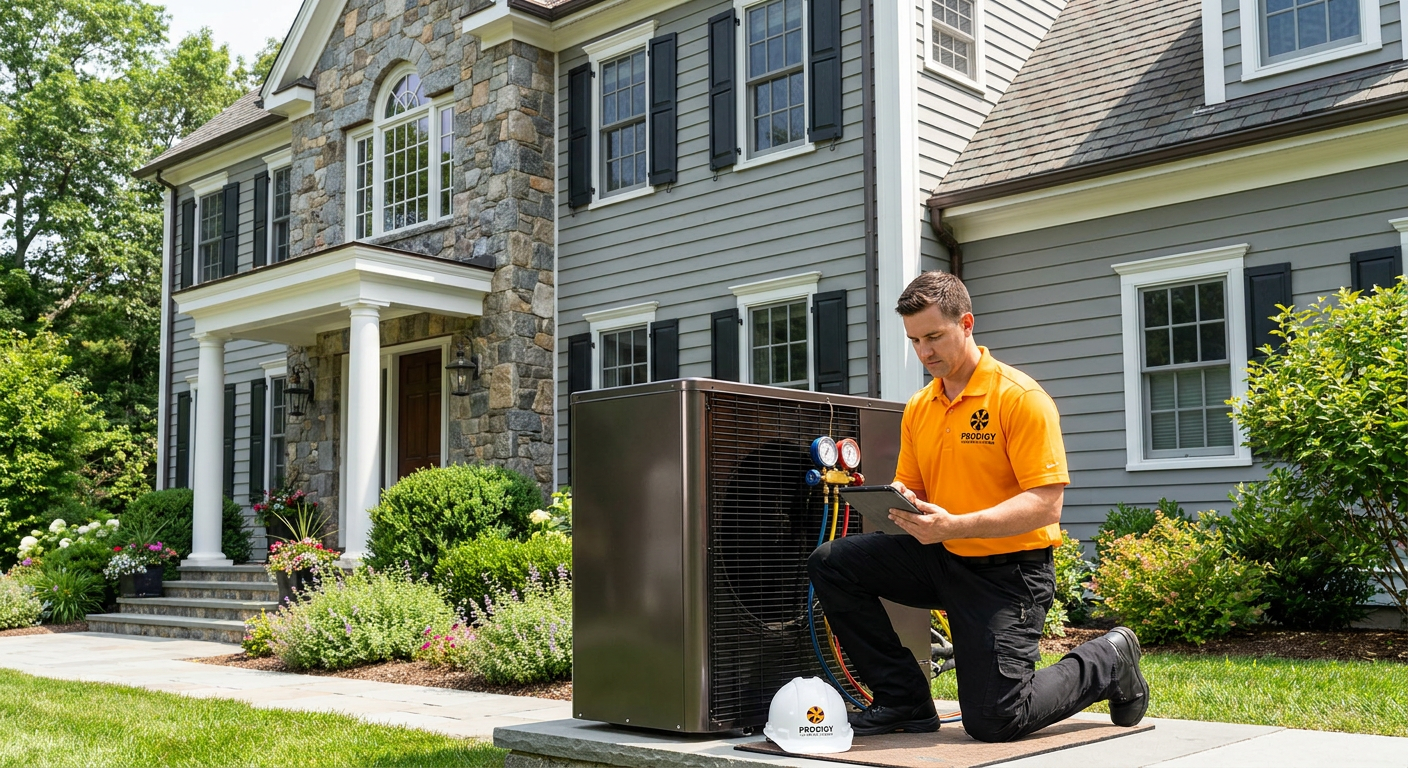
The technician should then inspect both indoor and outdoor components. For the indoor unit, that may include checking the blower, coil condition, condensate drainage, electrical connections, thermostat wiring, and temperature split. For the outdoor unit, the technician may evaluate coil cleanliness, fan operation, refrigerant pressures, defrost controls, contactors, capacitors, sensors, and compressor performance. The goal is to identify the cause, not just the symptom.
Repair versus replacement
Homeowners often ask whether a heat pump is worth repairing. The answer depends on age, maintenance history, repair complexity, comfort expectations, and whether the system has had repeated failures. A newer system with a failed capacitor or sensor is usually a very different conversation than an older unit with compressor trouble and chronic refrigerant loss. A trustworthy contractor will explain what was found, what the repair is intended to solve, and whether other concerns may affect long-term reliability.
Why diagnosis matters in New England
New England weather tests heat pumps in both directions. A system may appear fine during mild shoulder seasons but struggle when Lexington temperatures drop sharply or humidity climbs. Proper diagnosis should consider heating output, cooling performance, defrost operation, drainage, and airflow. If the home has backup heat, the technician should also confirm that the system stages correctly and does not rely on auxiliary heat more than necessary.
Clear communication is part of the service. Before work begins, you should understand the issue, the recommended repair, and any limitations. After the repair, ask what maintenance steps will help prevent the same problem from returning.
5.Preventing Future Heat Pump Breakdowns in Lexington Homes
The best repair is the one you do not need during a storm or heat wave. Preventive maintenance helps catch weak electrical components, dirty coils, drainage problems, and performance changes before they become emergencies. For most homes, a heat pump should be serviced regularly because it operates in both heating and cooling seasons. Unlike a furnace or central air conditioner that may rest for part of the year, a heat pump often works almost year-round.
Homeowners can help by keeping filters clean, maintaining clear space around the outdoor unit, and paying attention to changes in sound, smell, airflow, and run time. If you have landscaping near the unit, trim it back so the system can breathe. After a heavy snowfall, check that the outdoor unit is not blocked. During leaf season, remove buildup around the base. Small habits make a difference.
Maintenance is also a good time to talk about comfort concerns. Maybe the living room is fine, but the primary bedroom is always chilly. Maybe the basement office feels damp in summer. These issues may relate to duct balance, thermostat location, insulation gaps, or system settings rather than a single broken part. Addressing them early can improve comfort and reduce stress on the equipment.
Lexington homes with additions, finished attics, or converted spaces may have unique airflow challenges. A heat pump serving a remodeled area may need more careful evaluation than a standard system in a newer home. If repairs become frequent, documentation from maintenance visits can help you make a practical decision about next steps instead of reacting under pressure when the system stops working.
Frequently Asked Questions
How do I know if I need heat pump repair or just maintenance?
Maintenance is usually planned service for a system that is operating normally, while repair addresses a specific problem such as no heat, weak airflow, unusual noise, ice buildup, or short cycling. If your comfort has changed suddenly or the system is not keeping up, schedule a repair visit rather than waiting for routine maintenance.
Is some frost on my outdoor heat pump normal in Lexington winters?
Yes, light frost can be normal during cold, damp Lexington weather, and the unit should use a defrost cycle to clear it. Heavy ice, ice that keeps returning quickly, or a unit that appears encased in ice is not normal. That can point to airflow problems, defrost control issues, sensor faults, or refrigerant concerns.
Why is my heat pump blowing cool air when it is set to heat?
Heat pump supply air can feel cooler than furnace air, but it should still warm the home steadily. If the air feels cold for an extended period, possible causes include low refrigerant, outdoor unit trouble, thermostat issues, a reversing valve problem, or backup heat not operating correctly. A technician can test the system in heating mode to find the cause.
Should I turn off my heat pump if it is making a loud noise?
If you hear grinding, banging, loud buzzing, or a sound that seems mechanical and severe, turn the system off and call for service. Continuing to run it may damage the fan, motor, compressor, or electrical components. If you smell burning or see smoke, shut it down and treat it as urgent.
Can a heat pump be repaired the same day?
Many common heat pump repairs can be completed during the initial visit when the issue is straightforward and appropriate parts are available. More complex problems, such as refrigerant leaks, control failures, or major component issues, may require additional time for testing or parts. A proper diagnosis is the best way to avoid repeat visits for the same symptom.
A dependable heat pump is one of the most important comfort systems in a Massachusetts home. When it is working well, you barely think about it. When it struggles, every room reminds you. If your Lexington home has uneven temperatures, rising energy use, ice buildup, weak airflow, or a system that will not keep up, do not wait for the next cold snap or humid stretch to find out what is wrong.
Prodigy Climate Solutions provides thoughtful Heat Pump Repair in Lexington, MA with a focus on accurate diagnosis, clear communication, and lasting comfort. To schedule service for your Lexington home, call (857) 316-8944.
When You Choose Prodigy, You Choose Comfort
Available 24/7 for homeowners across Massachusetts.