November 1, 2026
Mini Split Installation in Sudbury: A Homeowner’s Guide to Zoned Comfort
 Articles
If you live in Sudbury, MA 01776, you know how quickly a home can swing from drafty in January to sticky and uncomfortable in July. Many local houses were built or renovated before central air was common, and even newer homes often have rooms that never feel quite right. Mini split installation gives Sudbury homeowners a practical way to add efficient heating and cooling without running bulky ductwork through finished spaces.
A well-designed ductless mini split system can serve a single problem room, an addition, a finished basement, a home office over the garage, or multiple zones throughout the house. The key is not just choosing equipment, but installing it correctly for New England weather, Sudbury’s housing styles, and the way your family actually uses each room. Prodigy Climate Solutions helps homeowners make those decisions with comfort, efficiency, and long-term reliability in mind.
1.Why Mini Splits Make Sense for Sudbury Homes
Sudbury has a wide mix of properties: Colonials near established neighborhoods, Cape-style homes with second-floor bedrooms, renovated farmhouses, split-level homes, and newer construction with open layouts. That variety is one reason mini splits are so popular. They are flexible enough to solve comfort issues without forcing every home into the same HVAC plan.
For example, a homeowner with a sunroom off the back of the house may not want to extend ductwork for a space used mostly in the morning and evening. A single-zone mini split can heat that room during a chilly April breakfast and cool it during a humid August afternoon. In another case, a family may have a finished basement used as a playroom and guest space. Instead of relying on portable heaters or loud window air conditioners, a ductless unit can provide steady temperature control year-round.
Mini splits are also helpful in older homes where installing ducts would mean opening walls, lowering ceilings, or taking away closet space. Since the indoor unit connects to the outdoor unit through a small line set, installation is usually less invasive than adding a traditional forced-air system. That matters when you have plaster walls, custom trim, or finished rooms you do not want torn apart.
Another benefit is zoning. With a ductless system, you can condition the rooms you use most instead of overheating or overcooling the entire house. In Sudbury, where spring and fall temperatures can change dramatically from morning to night, that control can make daily life much more comfortable.
2.What to Expect from Mini Split Installation in Sudbury, MA
Mini Split Installation in Sudbury, MA should begin with a careful look at your home, not a quick guess based on square footage alone. Room size matters, but so do ceiling height, insulation, window exposure, air leakage, existing heating equipment, and how the room is used. A bright second-floor bedroom with older windows behaves differently from a shaded first-floor office, even if both rooms have similar dimensions.
Home evaluation and load considerations
A qualified installer will evaluate the space and discuss your goals. Are you trying to replace window air conditioners? Add supplemental heat to a cold room? Reduce reliance on oil, propane, or electric baseboard heat? Improve comfort in a home addition? These answers shape the design.
For cold-weather performance, proper sizing is especially important. An oversized system may short cycle, which means it turns on and off too often and may not remove humidity well in summer. An undersized system may struggle during a windy February cold snap. The goal is to select equipment and layout that match the heating and cooling load of the space.
Installation day basics
During installation, the technician mounts the indoor unit, sets or mounts the outdoor condenser, runs refrigerant lines, installs a condensate drain, connects electrical components, and seals wall penetrations. The system then needs to be pressure tested, evacuated with a vacuum pump, commissioned, and checked for proper operation.
Good workmanship matters at every step. A line set that is poorly routed, a drain that does not pitch correctly, or an outdoor unit placed where snow piles up can create future problems. Prodigy Climate Solutions approaches mini split installation as both a mechanical job and a home comfort design project, because the details affect performance long after the installer leaves.
3.Choosing the Right Zones, Indoor Units, and Locations
One of the biggest decisions in a ductless project is whether to install one indoor unit or several. A single-zone system serves one area and is often ideal for a bedroom, office, porch, garage bonus room, or basement. A multi-zone system connects multiple indoor units to one outdoor unit, allowing separate temperature control in different rooms.
The right answer depends on your layout. Open floor plans can sometimes be served by one strategically placed indoor unit, while homes with many small rooms may need multiple zones. A hallway installation may seem convenient, but it often does not deliver enough air into bedrooms with closed doors. A skilled installer will think about airflow patterns, furniture placement, doorways, and where people spend time.
Indoor unit placement should balance comfort, appearance, service access, and performance. The unit should not blow directly onto a bed or favorite chair. It should be high enough for proper air distribution, but still accessible for filter cleaning. It also needs a practical route for refrigerant lines and condensate drainage.
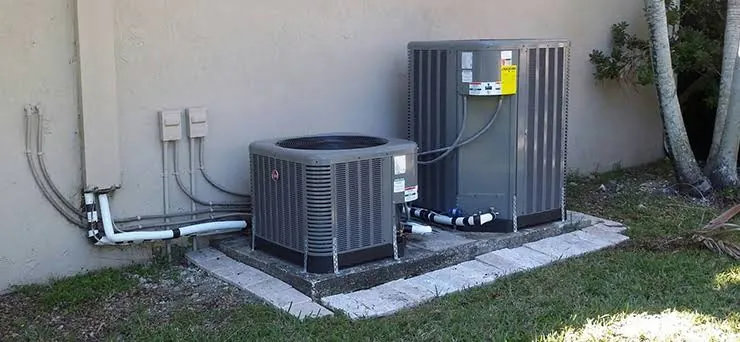
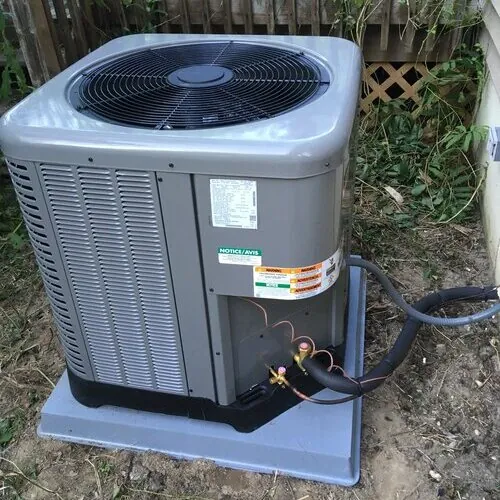
Outdoor unit placement deserves equal attention. In Sudbury, snow, ice, leaves, and roof runoff are real considerations. The condenser should have proper clearance, sit on a stable pad or wall bracket, and be positioned where airflow will not be blocked. It should also be accessible for service. Hiding it behind dense shrubs may look good for a season, but poor airflow can reduce efficiency and shorten equipment life.
Noise is another practical issue. Modern mini splits are typically quiet, but placement still matters. Avoid putting the outdoor unit directly below a bedroom window when another suitable location is available. In neighborhoods where homes sit close together, thoughtful placement helps preserve both comfort and good neighborly relations.
4.Performance Through New England Winters and Humid Summers
Homeowners often ask whether mini splits can really handle a Massachusetts winter. The answer is that many modern cold-climate systems are designed to provide heat at low outdoor temperatures, but design and installation are critical. Sudbury gets freezing rain, heavy wet snow, nor’easters, and long stretches of cold weather. A system installed for year-round comfort should be selected with that climate in mind.
In some homes, a mini split becomes the primary source of heating and cooling for a room or zone. In others, it works alongside an existing boiler, furnace, or baseboard system. This hybrid approach can be very practical. For instance, a family might use mini splits for efficient shoulder-season heating in October and November, then rely on the existing system during the coldest nights, depending on comfort goals and the home’s setup.
Summer comfort is not only about temperature. Sudbury’s humid days can make a 75-degree room feel clammy if the system is not removing moisture effectively. Correct sizing helps the unit run long enough to dehumidify. Proper indoor unit placement also helps circulate air evenly, preventing hot corners and stale areas.
Maintenance for reliable comfort
Mini splits are not install-and-forget systems. Homeowners should clean or rinse indoor filters regularly, especially in homes with pets, active kids, or frequent open-window seasons. Outdoor units should be kept clear of leaves, grass clippings, snow buildup, and debris.
Professional maintenance is also important. A technician can clean coils, inspect electrical connections, check refrigerant performance, clear drain lines, and confirm that the system is operating efficiently. Small issues, such as a partially clogged drain or dirty blower wheel, can affect comfort and indoor air quality if ignored.
If you are considering rebates or energy-efficiency incentives, check current program requirements before installation. Eligibility can change, and the equipment, installer qualifications, and documentation may all matter. A reputable contractor can help you understand what information you may need without promising a specific rebate amount.
5.Avoiding Common Mini Split Installation Mistakes
The most common mistake is treating a mini split like a simple appliance instead of a designed HVAC system. Buying equipment online and hiring the lowest bidder to hang it on the wall can lead to comfort problems, leaks, poor drainage, electrical issues, or warranty complications. The installation quality is just as important as the brand.
Another mistake is focusing only on one uncomfortable season. A homeowner may call because a second-floor bedroom is too hot in July, but that same room may also lose heat quickly in January. Designing for both heating and cooling creates a better result. Sudbury homes face both humid summers and serious winter cold, so the system should be planned for the full year.
Poor condensate management is a frequent source of trouble. In cooling mode, indoor units remove moisture from the air, and that water has to drain properly. If the drain line is pitched incorrectly, routed poorly, or left vulnerable to freezing in the wrong location, it can cause leaks or shutdowns. This is an area where neat, careful installation makes a real difference.
Electrical work is another area that should not be improvised. Mini splits require proper circuits, disconnects, and code-compliant installation. Homeowners should expect a clean, safe installation that respects both manufacturer requirements and local standards.
Finally, do not overlook the user experience. Remote controls, wall controllers, smart features, and temperature settings should be explained before the job is complete. A homeowner should know how to switch modes, clean filters, set temperatures, and recognize when something is not operating normally. Prodigy Climate Solutions believes a good installation includes clear guidance, not just a working system on day one.
Frequently Asked Questions
How long does mini split installation usually take in a Sudbury home?
Many single-zone installations can be completed in a day, while multi-zone projects often take longer depending on the number of indoor units, line set routes, and electrical requirements. A proper in-home assessment is the best way to understand the timeline for your Sudbury property.
Can a mini split heat my home during a Massachusetts winter?
Cold-climate mini splits can provide strong heating performance in many Massachusetts homes, especially when sized and installed correctly. Some homeowners use them as the main heat source for specific zones, while others use them to supplement an existing boiler, furnace, or baseboard system.
Do mini splits work well in older houses without ductwork?
Yes, older homes are often excellent candidates for ductless systems because installation usually requires much less disruption than adding ducts. The contractor still needs to evaluate insulation, windows, room layout, and electrical capacity to design the right solution.
Where should the indoor mini split unit be placed?
The best location is usually high on a wall where air can circulate freely without blowing directly on people. Placement should also allow for filter access, a clean line set route, proper drainage, and an appearance that fits the room.
How often should a mini split be maintained?
Homeowners should clean the indoor filters regularly based on use, dust, and pets. Professional maintenance is typically recommended at least annually to clean components, inspect drainage, verify operation, and help protect efficiency.
Mini split installation can make a noticeable difference in comfort, especially in homes with uneven temperatures, finished additions, older construction, or rooms that central systems never quite reach. The best results come from careful planning, correct sizing, thoughtful placement, and installation that accounts for Sudbury’s four-season climate.
If you are ready to explore Mini Split Installation in Sudbury, MA, Prodigy Climate Solutions can help you choose a practical, efficient system for your home. To schedule a consultation in Sudbury, call (857) 316-8944.
When You Choose Prodigy, You Choose Comfort
Available 24/7 for homeowners across Massachusetts.