July 30, 2026
When Old HVAC Parts Vanish in Belmont Homes
 Articles
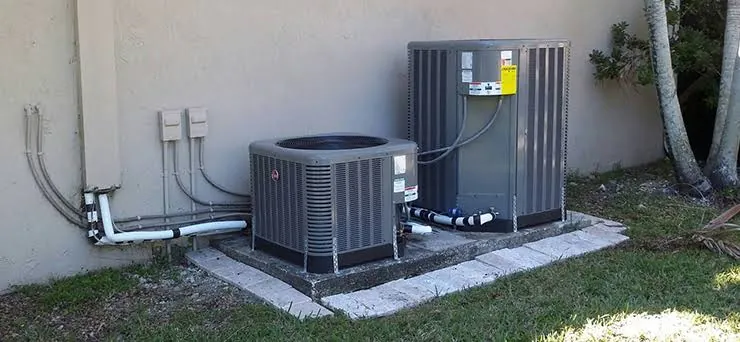
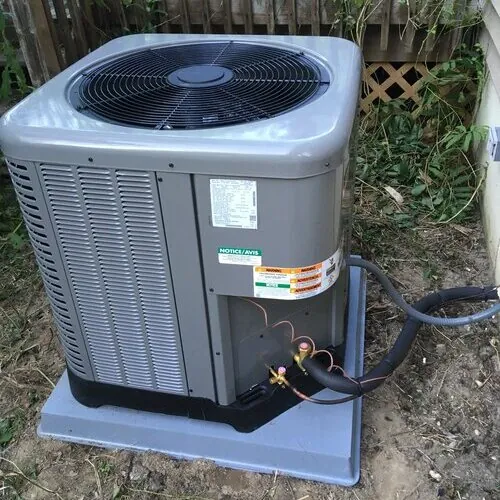
On a windy March afternoon, a homeowner near Belmont Hill opened the side gate to show me a tired outdoor condenser tucked beside a 1920s-40s colonial. The unit had run for 22 years, through single-digit cold snaps, humid July nights, and more leaf litter than anyone expected. The problem was not dramatic: the indoor matched coil had failed, and the original pairing was no longer made.
That is the uncomfortable moment many Belmont owners face. Much of the town's housing stock predates 1970, with colonials, Tudors, two-families, and later ranches that have been adapted many times. When HVAC parts no longer available Belmont MA searches start at the kitchen table, the real question is not just where to find a part. It is whether the house deserves another patch or a better long-term plan.
1.Why older HVAC parts disappear from Belmont repair trucks
Production runs do not last forever
Manufacturers build equipment in families. For a while, compressors, coils, fan motors, contactors, valves, and cabinet panels are stocked through distributors because there are thousands of similar units still under warranty or young enough to support. After enough years, that demand drops. The factory line changes, tooling is retired, and shelf space goes to current equipment.
That is ordinary business, not a conspiracy against older homes. The trouble is that an older HVAC system in Belmont may still look sturdy while its exact parts have quietly aged out of the supply chain. A condenser from the early 2000s can be sitting level, clean, and familiar, yet the coil it was certified to work with may be gone.
Refrigerants, electronics, and standards change
R-22 phase-outs are a major reason obsolete HVAC parts Massachusetts homeowners hear about. When refrigerant rules change, manufacturers redesign coils, metering devices, oils, compressors, and service procedures. At the same time, control boards become more proprietary, sensors are revised, and supplier consolidation can erase a once-common part number.
Safety and efficiency standards also push older designs aside. Sometimes the only remaining source is a salvage yard, an online seller, or a cannibalized unit behind a shop. Salvage-only availability can get heat or cooling back temporarily, but it is not the same as a new factory part with traceable support.
2.The hidden cost of waiting for a rare component
Once a part is discontinued, the repair changes from technical work to detective work. A technician may identify the failure in an hour, then spend days checking regional distributors, manufacturer cross-references, and used-part sources. In a Belmont Hill colonial with tight mechanical spaces and older duct alterations, even finding a part does not mean it will fit cleanly or perform correctly.
Downtime matters. New England weather does not pause while someone bids on a used board. A cold snap can push temperatures into the single digits, and a stalled system may leave rooms, pipes, and hardwood floors at risk. In August, humidity can climb quickly, making bedrooms sticky and encouraging musty odors in basements and closets.
Used components rarely carry meaningful warranty coverage. If a salvaged motor fails next month, the homeowner may pay for labor again. Worse, one repair can expose the next weak link: a tired compressor, brittle wiring, a leaking coil, or a blower assembly with play in the bearings. That chain of repairs is the point where old HVAC system replacement Belmont conversations become practical, not sales-driven.
Prodigy Climate Solutions sees this often enough to slow the decision down. If a repair is safe, available, and likely to buy reliable time, it may be the right call. If it only postpones the same failure season after season, honesty requires saying so.
3.When repair is still the sensible move
Not every old unit needs to be replaced the day it acts up. A clean system with a common capacitor, a standard contactor, a failed thermostat, or a minor drain problem may deserve a straightforward repair. If the equipment has been maintained, uses parts that are still stocked, and has not shown a pattern of breakdowns, repair can be the most responsible answer.
The repair also needs to match the family's plans. If you expect to renovate a kitchen, finish an attic, or change room layouts, a modest repair may let you design the larger comfort system properly instead of rushing. Belmont homes often have additions from different decades, and those changes can affect duct sizing, return air, and room balance.
The honest test is whether the repair restores dependable operation, not merely motion. If a technician can explain the failure, show why the part is available, and confirm that the rest of the system is in fair condition, fixing it is reasonable. Good service work should include that option without pressure.
4.Signs the system has crossed from old to obsolete
Age is the first clue, but not the only one. Around the twenty-year mark, a central cooling system, air handler, or heat pump is generally living on borrowed time even if it still starts. Belmont's climate is hard on equipment: winter starts and stops, shoulder-season swings, pollen, summer humidity, and occasional coastal salt air carried inland during storms all add stress.
Repair cost must be judged against remaining life. A major repair on a 22-year-old condenser with an unavailable matched coil is different from a small repair on a ten-year-old system. Ask whether the repair leaves you with a supported system or simply one expensive old component surrounded by other old components.
Frequency matters too. One failure after years of quiet service is normal. Three service calls in two seasons tells a different story. Rising electric bills, uneven bedrooms, long run times, noisy starts, weak airflow, and poor humidity control are comfort clues, not just annoyances.
Refrigerant type can tip the decision. If the system uses R-22, every leak becomes more complicated because the refrigerant and compatible parts sit in a shrinking service world. Searches for HVAC parts no longer available Belmont MA often start with one leak and end with the realization that the whole platform is unsupported.
5.What modern equipment actually gives a Belmont home
Modern systems are not magic boxes, and they still need correct sizing, airflow, drainage, and commissioning. When designed well, however, they deliver capabilities that older single-stage equipment simply did not have. Inverter-driven variable-capacity compressors can run at lower speeds for long stretches, matching the house more closely instead of blasting on and off.
That matters in a Belmont colonial where the front bedrooms overheat, the back addition cools differently, and the basement holds damp air after a storm. Longer, steadier operation can improve humidity removal in July and August while avoiding the temperature swings that make shoulder seasons uncomfortable. Quieter outdoor units also help on smaller lots where equipment sits near patios, bedroom windows, or a neighbor's driveway.
Cold-climate heat pumps have changed the replacement conversation in Massachusetts. Properly selected units can provide strong performance in low temperatures and efficient cooling in summer, with electric backup or another planned support where appropriate. Homeowners comparing options can read more about heat pump installation in Belmont before deciding whether that path fits the house.
Newer systems also bring better filtration options, smarter controls, zoning possibilities, and diagnostics that help technicians see problems earlier. Most important, they come with real manufacturer warranties and active parts channels. If a board, motor, sensor, or coil fails during the supported period, there is a normal path to repair instead of a statewide scavenger hunt for obsolete HVAC parts Massachusetts suppliers may not trust.
6.A practical way to make the decision in Belmont
Start with an assessment, not a quote. A good technician should document age, model information, refrigerant type, electrical condition, coil condition, airflow, duct concerns, and the specific failed part. Photos help. So does a plain explanation of whether the part is current, aftermarket, rebuilt, or salvage-only.
Next, compare paths. Path one is repair with expected risk. Path two is partial replacement if the remaining equipment is compatible and supported. Path three is a designed replacement that addresses comfort, humidity, noise, filtration, and service access. In older Belmont homes, the third path should include load calculations and a look at the building, not just matching the size of the old unit.
Prodigy Climate Solutions can also help homeowners think through maintenance planning with the comfort plan and broader service coverage through our Massachusetts service areas. Those resources are useful when the system is still working but aging. They can also help you plan timing instead of reacting during the worst week of the year.
The key is avoiding panic. If the house is safe and comfortable, you have time to plan. If the system is down during a cold snap or heat wave, you still deserve clear choices. Replacement makes sense when it reduces risk, improves comfort, and gives you a supported platform for the next chapter of the home.
Frequently Asked Questions
Can a discontinued HVAC part ever be substituted safely?
Sometimes, but only when the manufacturer or a qualified cross-reference confirms compatibility. A look-alike motor, board, or coil can create airflow, refrigerant, or safety problems if it was not designed for that equipment. Substitution should be documented, not guessed.
Is a 22-year-old condenser automatically a replacement job?
Not automatically. If the failure is minor and the parts are available, repair may be reasonable. But a major failure on a 22-year-old condenser, especially with a lost matched coil or R-22, usually deserves a replacement discussion.
Why does R-22 make repair harder?
R-22 equipment belongs to an older service ecosystem. Leaks may involve refrigerant that is harder to source, coils that are no longer produced, and compressors that were designed around older oils and pressures. That does not forbid repair, but it raises the risk.
How long can salvage parts keep a system going?
They can buy time, sometimes enough to get through a season. The problem is uncertainty: used parts may have unknown run hours, limited testing, and little or no warranty. They should be treated as a bridge, not a long-term comfort plan.
What modern feature makes the biggest comfort difference?
Variable capacity is often the feature homeowners notice first. Instead of hard starts and short cycles, an inverter-driven system can run more steadily, which helps temperature balance and summer humidity control. Proper sizing and ductwork still matter just as much.
What should Belmont homeowners ask before approving a repair?
Ask whether the failed part is currently manufactured, aftermarket, rebuilt, or used. Ask what other age-related failures are likely and whether the system uses R-22. In Belmont, older homes also deserve a quick check of airflow and room comfort before money goes into another patch.
Who can help decide between repair and replacement?
A licensed HVAC professional should inspect the system, identify the failed component, and explain the available paths in plain language. Prodigy Climate Solutions works with Massachusetts homeowners who want practical guidance rather than a rushed sales pitch. The goal is a decision that fits the equipment and the house.
If your older system is still running, the best time to think is before the next weather emergency. A calm review can tell you whether a repair is sensible, whether parts are becoming scarce, and what a modern option would need to do for your particular rooms. In a Belmont Hill colonial, a converted attic near Waverley, or a two-family closer to Cushing Square, the right answer starts with the house.
Prodigy Climate Solutions can inspect the equipment, explain any obsolete parts issues, and compare repair and replacement without pressure. You can use that visit to ask about comfort complaints, future service access, and whether an old HVAC system replacement Belmont plan is truly needed. If you want a no-obligation comfort assessment, call (857) 316-8944 and we will set up a convenient visit in Belmont.
When You Choose Prodigy, You Choose Comfort
Available 24/7 for homeowners across Massachusetts.