July 24, 2026
When Older HVAC Parts Disappear in Cohasset Homes
 Articles
On a gray March afternoon near Cohasset Harbor, an outdoor condenser can look fine from the street and still be rotting from the inside out. Salt mist works into coil fins, fasteners, and electrical cabinets, especially on harbor-side capes and older homes tucked between Jerusalem Road, Beechwood, and the village. The first symptom is often ordinary: no cooling, weak heating, or a fan that will not start after a cold snap.
That small breakdown can begin a longer story for homeowners with an older HVAC system replacement Cohasset questions start when the part is not on a truck, not at the supply house, and maybe not made anymore. This article follows that timeline from the first service call to the final decision, so you can think clearly about HVAC parts no longer available Cohasset MA without panic or sales pressure.
1.The First Breakdown: Hope for a Simple Fix
Day one usually starts with a reasonable hope: replace the failed capacitor, motor, relay, sensor, or board and get back to normal. In many Cohasset houses, that hope is valid. Much of the housing stock predates 1970, with additions, finished attics, and equipment rooms that have been reworked more than once. A skilled technician should first confirm the failure, check power and airflow, and avoid condemning a whole system over one serviceable part.
The trouble begins when the part number comes back as discontinued. Maybe the original manufacturer ended the production run years ago. Maybe the replacement superseded twice, then disappeared. Maybe the exact control board talks only to that generation of equipment. For a homeowner, the language sounds technical; in the field, it means the repair has moved from routine supply to detective work.
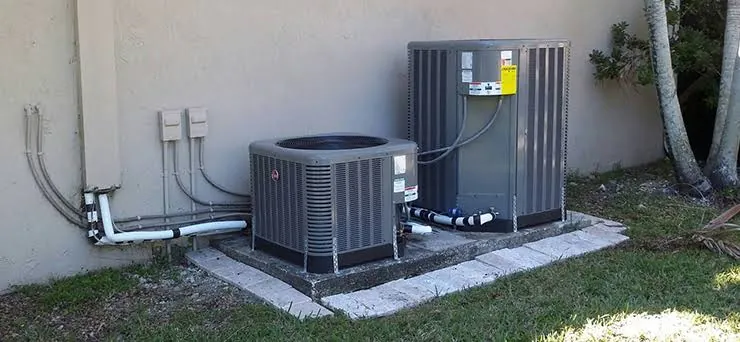
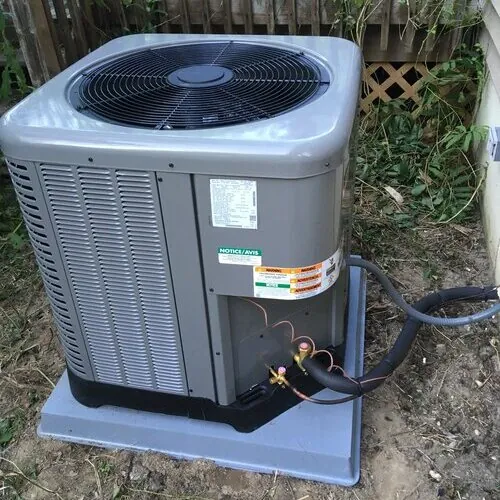
That detective work matters after a January night in the single digits or during a sticky August weekend when the house will not dry out. Salt-air corrosion adds another clue on Cohasset waterfront properties. An outdoor coil with green staining, crumbling fins, and rusted screws may be warning that the missing part is only one piece of a larger end-of-life pattern.
2.Why Parts Vanish After the Equipment Is Sold
Week two is when the supply chain explanation arrives. HVAC manufacturers do not keep every component alive forever. Production runs end when platforms change, factories retool, or demand drops below a practical level. Warehouses clear slow-moving stock. Supplier consolidation can erase a motor, valve, or circuit board that once had several sources and now has none.
Refrigerant rules are another driver. Equipment built for R-22 is tied to a refrigerant that has been phased out for new production in the United States. That does not mean every R-22 system must be replaced today, but leaks become harder to justify because the refrigerant, compatible coils, and matching parts belong to an older ecosystem. A leak repair on a corroded outdoor coil is rarely just a leak repair.
Electronics create their own dead ends. Older boards may use proprietary communication, discontinued chips, or harnesses that do not match newer controls. Safety and efficiency standards also change the way equipment is designed. Sometimes the only available item is salvage-only: pulled from a scrapped system, sold as used, and offered with little or no meaningful warranty. That is the world of obsolete HVAC parts Massachusetts homeowners run into when equipment outlives its parts pipeline.
3.Week Three in Cohasset: Waiting, Salvage, and Salt Air
By week three, the house starts dictating the decision. A salvage board may take days or weeks to locate, and shipping delays feel longer when bedrooms are cold or damp. If the used component fails, the homeowner may pay for more labor without a factory warranty behind the part. The contractor may have done honest work, yet everyone is stuck with old equipment and thin options.
Cohasset weather makes waiting harder. A mild April day can swing into a chilly night. July and August bring humidity that old single-stage air conditioning may not remove well, even when it runs nonstop. Homes near the water can see outdoor equipment age faster than the same unit inland because salt clings to aluminum fins, steel panels, and electrical lugs.
Repeated repairs also hide comfort costs. A weak blower, patched refrigerant circuit, or tired compressor can leave rooms uneven, raise electric use, and shorten cycles at the wrong time. If the family keeps calling for service every season, the question changes from "Can we make it run?" to "Are we protecting comfort, reliability, and the next several years of the house?"
4.The Fourth Conversation: Repair or Replace?
Around the fourth conversation, I like to slow the job down and list facts. Age matters, but it is not the only fact. A fifteen-year-old system with clean coils, common parts, and one failed contactor may deserve repair. A system of similar age with R-22, coil corrosion, a noisy compressor, and a discontinued board is a different case.
Compare the repair against remaining life, not against the price of doing nothing. If a major component is unavailable, if the substitute is used, or if the system has already had multiple failures, the repair is buying uncertainty. Also consider comfort. Are second-floor bedrooms in a cape roasting in August? Does the family room lag during cold snaps? Are utility bills climbing while comfort gets worse?
Refrigerant type belongs on the list. So does airflow, duct condition, electrical capacity, insulation, and the way the home is used. A year-round residence near Sandy Beach has different expectations than a lightly used guest space. If you are researching an old HVAC system replacement Cohasset project, ask for a written diagnosis that separates the failed part from the condition of the whole system.
Prodigy Climate Solutions often recommends repair when the equipment is safe, the part is current, and the failure is isolated. Replacement makes more sense when the next repair is likely to arrive soon after the last one. That judgment should be explained in plain English, with room for the homeowner to choose.
5.What Modern Equipment Actually Delivers
Once replacement is on the table, the discussion should not be limited to "newer version of the old box." Modern HVAC can behave very differently. Inverter-driven variable-capacity equipment ramps up and down instead of slamming on and off. That steadier operation can reduce temperature swings, improve dehumidification, and keep sound levels lower outside and inside.
Cold-climate heat pumps are also far more capable than many older New England systems. They still need proper sizing, good installation, and a realistic plan for the coldest nights, but they can deliver strong heating through much of a Massachusetts winter while also providing high-efficiency cooling. Homeowners comparing options can read more at heat pump installation in Cohasset.
Modern systems can bring better filtration, cleaner controls, and real warranties tied to available parts. Smart thermostats and zoning controls can help manage shoulder-season swings, when a house wants heat at breakfast and cooling by late afternoon. None of that fixes poor ductwork or leaky trim by itself, but it gives the installer better tools than old single-speed equipment ever had.
6.The Final Decision Before Peak Season
The final decision usually comes after the homeowner has three paths in view. Path one is repair with a new, warrantied, readily available part. That is often the right call for younger equipment or a minor failure. Path two is repair with a used or scarce part, accepting downtime and risk. Path three is planned replacement before the next peak season.
For Cohasset's harbor-side capes, I pay close attention to the outdoor unit. If salt air has eaten the coil edges, rusted the base pan, and stained the service valves, a rare electrical part may only restart a machine that is physically declining. In that case, replacement is not about chasing technology. It is about stopping a pattern.
A good contractor should price and schedule options, but also explain consequences: expected downtime, warranty coverage, parts availability, refrigerant status, and comfort limits. Ask what happens if the same family of part fails again. Ask whether the proposed new system has local support and common service items. Prodigy Climate Solutions can also help homeowners keep current equipment documented through routine maintenance planning and confirm whether nearby service is covered at Massachusetts HVAC service areas.
Frequently Asked Questions
Can an older HVAC system still be worth repairing?
Often, yes, but it depends on what failed and why. If the part is common, the equipment is safe, and the rest of the system is sound, repair may be the most sensible move. If the failed part is discontinued and the outdoor unit is corroded, replacement deserves a serious look.
Why is salt air such a problem for HVAC equipment in Cohasset?
Salt air can settle on coil fins, cabinets, and electrical connections, especially near the harbor or exposed streets. Over time it speeds corrosion, which can create leaks, shorts, noisy operation, and hardware that breaks during service. Regular rinsing and maintenance help, but they cannot make a badly corroded unit young again.
Does R-22 automatically mean I need replacement?
R-22 equipment can sometimes be repaired, but leaks are a warning sign. The refrigerant is phased out for new production, and compatible parts are older and harder to support. If an R-22 system needs a major coil or compressor repair, compare that repair against replacement rather than approving it automatically.
Are used HVAC parts a bad idea?
Used parts can get heat or cooling back temporarily, and sometimes that is valuable. The tradeoff is that salvage components usually have limited history, limited warranty protection, and uncertain remaining life. They make more sense as a bridge than as a long-term plan.
Will a modern system really feel different?
Modern variable-capacity systems are designed to run longer at lower output, which helps manage humidity and temperature swings. Quieter fans and compressors also make a difference on tighter lots. The best results still depend on sizing, duct review, drainage, controls, and careful installation.
What should I do if a technician says my part is discontinued?
Start before the next emergency. Gather the equipment age, service history, refrigerant type, and any comfort complaints by room. Then ask a qualified HVAC company to inspect the system, explain parts availability, and outline repair and replacement paths in writing.
When an older system fails, the first honest question is still, Can we repair it safely and sensibly? Sometimes the answer is yes, and a straightforward part gets the home comfortable again. But when the answer depends on salvage electronics, a phased-out refrigerant, or a salt-chewed outdoor unit, the wiser move may be planning the next system before weather makes the choice for you.
Spring and fall are the right windows for that conversation. Technicians have more time to inspect coils, wiring, airflow, drainage, and controls, and homeowners have more time to compare options, ask questions, and schedule work without the summer rush. This is also the better time to discuss placement, salt exposure, pad condition, line sets, thermostat habits, and whether small duct or insulation fixes should happen before equipment is selected. Those details are easy to skip during a heat wave, yet they often decide whether a new system feels right in every season afterward for the household living there. If your home is near the water, in the village, on North Main Street, or up toward Beechwood, Prodigy Climate Solutions can give you a practical shoulder-season evaluation of repair risk, parts availability, and modern replacement options before hot, humid weather arrives. Call (857) 316-8944 for help in Cohasset.
When You Choose Prodigy, You Choose Comfort
Available 24/7 for homeowners across Massachusetts.