July 21, 2026
When HVAC Parts Disappear in Duxbury Homes
 Articles
In Duxbury, the HVAC conversation often starts in a basement, a crawlspace, or a tight mechanical closet that was not part of the original house. Picture an antique home near Washington Street or Chestnut Street, built long before central air was common, then expanded in three different decades. One wing may have a newer air handler, another may rely on an older condenser, and the controls may look like a family tree with missing branches.
That is where the phrase HVAC parts no longer available Duxbury MA becomes more than an internet search. It becomes a cold bedroom during a single-digit January snap, a sticky upstairs during a humid August week, or a homeowner wondering why a simple repair has turned into a parts hunt. Prodigy Climate Solutions sees this often in older South Shore homes: the equipment is not always equally old, but the weakest piece sets the pace.
1.Why perfectly good equipment can become hard to repair
Manufacturers do not keep every part in production forever. Once a furnace, air handler, condenser, or control platform is redesigned, the original production run winds down. For several years, distributors may still have inventory. After that, the supply gets thin, then scattered, then gone.
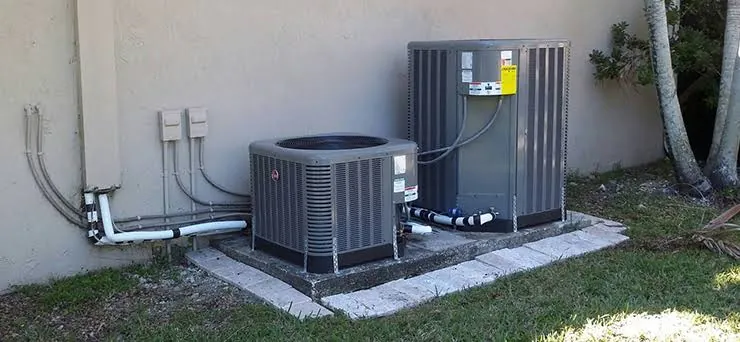
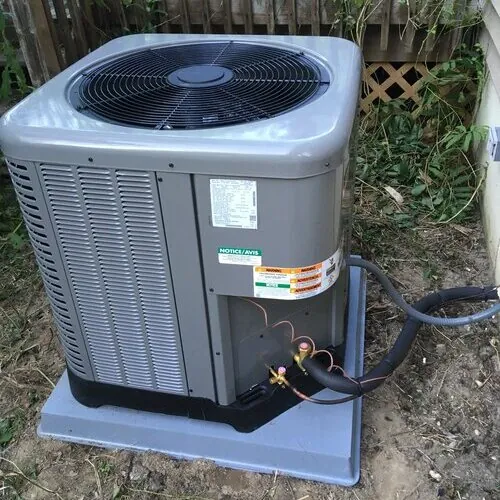
Refrigerant changes are a major reason. Older air conditioning and heat pump systems using R-22 have been pushed out by federal phase-outs and newer refrigerant standards. A leak repair on that equipment is not just a leak repair; it can become a question of whether the remaining system is worth chasing.
Electronics changed the repair picture too. Control boards, communicating thermostats, sensors, and proprietary modules are often specific to a generation of equipment. When a manufacturer redesigns that platform, the old board may be replaced by a kit, then by limited stock, then by nothing reliable.
Supplier consolidation also matters. A small component maker may stop producing a motor, relay, inducer assembly, or valve because demand is too low. Safety and efficiency standards can also make older designs impractical to support. At that point, the part may exist only as salvage from another removed system, with no real warranty and no promise it will last.
2.What obsolete HVAC parts mean in Duxbury, MA homes
Duxbury has a wide mix of housing. Much of the housing stock predates 1970, with colonials, capes, shingled coastal homes, antique village houses, and later additions tucked behind older street-facing rooms. It is common to find one system serving the original house and another serving a family room, primary suite, or finished attic added years later.
New England weather is not gentle on that patchwork. Winter cold snaps can drop into the single digits. July and August bring humidity that exposes weak airflow and poor dehumidification. Shoulder seasons swing from heat to cooling within the same week. Near the bay, salt air can be tough on outdoor coils, fasteners, and cabinets.
When an obsolete part fails, the first consequence is time. A technician may confirm the diagnosis quickly, but the part search can take days or longer. If the only option is a used component pulled from another system, the homeowner has to weigh comfort, risk, and the chance of another failure right behind it.
The second consequence is uncertainty. Used parts usually do not carry a manufacturer warranty. Even new old stock may have sat on a shelf for years. Replacing one unavailable control board does not renew the compressor, heat exchanger, blower, coil, wiring, or refrigerant circuit around it.
This is why obsolete HVAC parts Massachusetts searches can feel frustrating. The issue is not that nobody wants to fix the system. The issue is whether the repair can be done responsibly, with parts that are available, safe, and worth installing.
3.Repair or replacement math for an old HVAC system
A good field diagnosis should not jump straight to replacement. Some repairs are absolutely worth doing, especially when the equipment is not far beyond its expected service window, the failed part is available, and the rest of the system is clean, safe, and performing well.
The repair side
Repair makes sense when the part is obtainable through normal channels, the labor is reasonable, and the system has not been failing over and over. A capacitor, contactor, blower motor, igniter, sensor, or thermostat issue may be straightforward. If the equipment is otherwise healthy, a repair can buy useful time.
Maintenance history matters. A system that has been cleaned, checked, and documented through a plan like seasonal HVAC maintenance is easier to judge than one that has not been opened in years. Condition tells the truth better than the nameplate age alone.
The replacement side
Replacement starts to make sense when the repair is expensive compared with the remaining life of the system, when failures are becoming frequent, or when comfort has never been right. If the home has hot and cold rooms, noisy starts, weak airflow, poor humidity control, or rising energy bills, the failed part may only be the latest symptom.
Age matters, but it is not the only test. A 17-year-old air conditioner with an unavailable board and R-22 refrigerant is a different conversation than a newer unit with a common motor failure. Refrigerant type, parts availability, installation quality, duct condition, and safety all belong in the decision.
For an old HVAC system replacement Duxbury decision, homeowners should ask three plain questions: Can the part be sourced through normal supply channels? Will the repair be backed by a meaningful warranty? If this repair works, what is likely to fail next? Honest answers usually make the path clearer.
4.What newer HVAC systems actually deliver
Modern HVAC is not just a shinier box outside the house. The biggest change is control. Inverter-driven variable-capacity systems can ramp up and down instead of cycling hard on and off. That helps hold steadier temperatures, reduce noise, and remove humidity more consistently during those heavy South Shore summer days.
Cold-climate heat pumps have also changed the replacement conversation in Massachusetts. Properly selected and installed, they can provide strong heating performance through much of a New England winter while also cooling efficiently in summer. For homeowners comparing options, Duxbury heat pump installation is worth understanding before assuming the old setup has to be duplicated.
Newer systems can also improve filtration, airflow balancing, zoning possibilities, and thermostat control. Smart controls are not magic, but when matched to the right equipment, they can reduce short cycling and make schedules easier. Quieter outdoor units and better indoor blower technology matter in dense neighborhoods and in older homes where bedrooms may sit close to equipment.
The warranty difference is practical, not glamorous. A current system uses current parts. Distributors know where to get them. Manufacturers support them. If something fails during the warranty period, the conversation is cleaner than hunting a salvage board across three states.
None of that means replacement should be rushed. It means the comparison should include comfort, reliability, energy use, refrigerant future, and parts support, not only whether someone can make the system run one more time. Prodigy Climate Solutions can also point homeowners toward current program information such as Massachusetts energy efficiency incentives without inventing promises.
Frequently Asked Questions
How do I know if my HVAC parts are no longer available in Duxbury?
A technician should identify the exact failed part, check normal distributor channels, and confirm whether the manufacturer still supports it. If the only options are salvage parts, auction listings, or uncertain substitutes, you are dealing with an availability problem, not just a repair problem.
Is it unsafe to use a used HVAC part?
Not always, but it carries risk. Used electrical boards, motors, and assemblies may have unknown run time, water exposure, or heat damage. The bigger concern is that they usually lack a manufacturer warranty and may leave you paying twice if they fail soon after installation.
Should I replace my old system just because it uses R-22?
Not automatically. If it is cooling well, not leaking, and not needing major parts, continued maintenance may be reasonable. But if an R-22 system develops a refrigerant leak or needs a major obsolete component, replacement often deserves serious consideration.
Can a newer system work in an antique Duxbury home with additions?
Yes, but it needs careful design. Older homes with additions may need zoning, duct corrections, smaller equipment serving specific areas, or a combination of approaches. The right answer depends on layout, insulation, airflow paths, and how the family actually uses the rooms.
What should I ask before approving a major repair?
Ask whether the part is new, used, or substitute stock; whether it has a warranty; and what other major components are near the end of life. Also ask whether the system's comfort problems will improve or whether the repair only restores the same uneven performance you had before.
If another company has told you the diagnosis is bad, the part is gone, or replacement is the only answer, it is fair to ask for a second set of eyes. Sometimes repair is still the right call. Sometimes the honest answer is that the system has reached the end of practical support.
Prodigy Climate Solutions offers straightforward second opinions for Duxbury homeowners dealing with obsolete HVAC parts, repeated breakdowns, or confusing repair recommendations. Call (857) 316-8944 for a clear review in Duxbury
When You Choose Prodigy, You Choose Comfort
Available 24/7 for homeowners across Massachusetts.