July 18, 2026
When HVAC Parts Are No Longer Available in Hingham Homes
 Articles
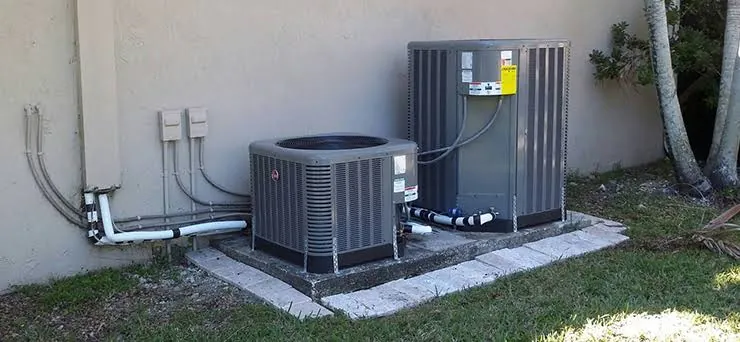
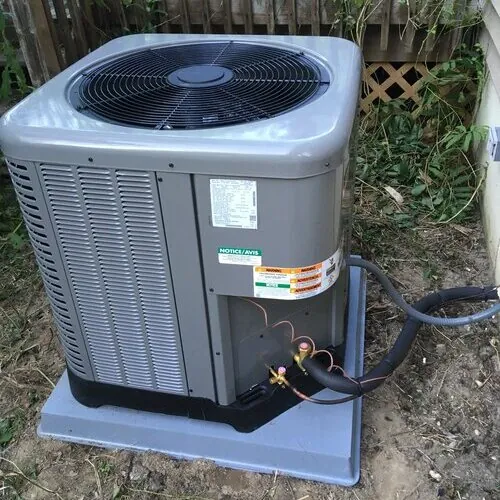
One chilly March morning in Crow Point, a Hingham family called about a 2004 air conditioning and heating system that had limped through another winter. It still ran, technically. But every summer it needed refrigerant, every repair visit took longer to source parts, and the outdoor unit sat in salty coastal air that had not been kind to the cabinet, coil, or wiring.
That situation is common around Hingham, where much of the housing stock predates 1970, additions were often built in different eras, and mechanical systems may be older than the kitchen remodel. When homeowners search for HVAC parts no longer available Hingham MA, they are usually not looking for theory. They want to know whether one more repair is sensible or whether the system has crossed into borrowed time.
1.The Crow Point Call: A System That Kept Taking Refrigerant
The Crow Point home had a familiar pattern. In June, the house would not cool well. A technician would find the refrigerant low, add enough to get through the season, and explain that an older leak repair might not hold. By August humidity, the upstairs bedrooms still felt sticky, and by the next spring the cycle started over.
The hardest part was not one single failure. It was the accumulation. A contactor here, a fan motor there, a control issue after a cold snap, then a refrigerant leak tied to an older system using a phased-out refrigerant. Each event felt smaller than a full replacement, but the family was paying to keep a discontinued 2004 system alive.
Hingham weather does not make that easy. Single-digit nights test heating equipment, humid July and August days expose weak cooling capacity, and coastal salt air near the harbor, Crow Point, and World's End can speed corrosion on outdoor components. Shoulder-season swings make older controls short-cycle, overshoot, or fail to keep rooms even.
2.Why Manufacturers Sunset HVAC Parts
Parts do not usually disappear because someone wants to frustrate homeowners. They disappear because the entire equipment ecosystem changes. Production lines move on, suppliers merge, refrigerants are phased out, electronics are redesigned, and safety or efficiency rules reshape what manufacturers can support.
Production runs end
Most HVAC equipment is built around a generation of compressors, motors, coils, boards, valves, and housings. Once a product line ends, the manufacturer may keep service parts available for a period, but it will not produce every part forever. Warehouse stock gets used up, then dealers and distributors start searching regionally.
Refrigerants change
R-22 is the classic example. Systems that rely on it can sometimes be serviced, but the refrigerant itself is no longer produced for new use in the same way it once was. That means leak-prone older equipment becomes harder to justify, especially when adding refrigerant does not fix the leak.
Electronics become proprietary
Modern and late-model systems use control boards, sensors, communicating thermostats, and software logic that may not interchange across generations. A board from a newer unit may not work in an older cabinet. When a proprietary board is discontinued, the rest of the machine may be mechanically sound but practically stranded.
Supplier consolidation also matters. A small motor maker, valve supplier, or electronics vendor may stop supporting an older part. New safety and efficiency standards can make yesterday's component obsolete. Eventually, obsolete HVAC parts Massachusetts homeowners need are found only through old stock, used components, or salvage yards.
3.What Salvage-Only Availability Means for a Homeowner
Salvage sounds simple until your house is 84 degrees upstairs and the part is somewhere in another state. A technician may be able to locate a used board, motor, or assembly, but there is no guarantee it arrives quickly, fits perfectly, or lasts long. The part may have lived in another harsh environment before it was removed.
Used components usually do not carry the same warranty as new manufacturer parts. Even when a contractor stands behind the labor, nobody can turn a salvaged part into a new one. If that component fails again, the homeowner can be back at the beginning with more downtime and fewer options.
Long waits are not just inconvenient. In a Hingham home with elderly relatives, a nursery, home offices, or humidity-sensitive woodwork, downtime matters. A week without reliable cooling in August or uneven heat during a January cold spell changes the real cost of repair.
That is where phrases like HVAC parts no longer available Hingham MA become more than search terms. They describe a risk profile: uncertain timing, limited backing, and repeated spending on equipment already beyond its expected service window.
4.When Repair Is Still the Right Call
Replacement is not automatically the answer. A well-installed system that is not very old, has a clear single failure, uses current refrigerant, and has available parts may deserve repair. If the blower motor failed but the heat exchanger, coil, controls, and ductwork are in good shape, a repair may buy meaningful time.
Repair can also make sense when a homeowner is planning a larger renovation. Many Hingham houses have additions, finished third floors, older duct runs, or rooms over garages that need a bigger comfort plan than a quick equipment swap. In that case, a targeted repair might keep the house comfortable while design decisions are made.
Prodigy Climate Solutions looks at repairability before recommending replacement. The honest question is not, Can we make it run today? It is, What is the likely outcome after this repair, and are parts still obtainable if the next weak component fails?
A maintenance history helps. Systems that have been cleaned, tested, and documented tend to offer clearer answers. Homeowners who want planned service rather than surprise calls can review HVAC maintenance options before a failure forces the decision.
5.When Old HVAC System Replacement in Hingham Makes Sense
Age is the starting point, not the whole answer. A system from the early 2000s has lived through many New England seasons. If it also needs a major component, uses phased-out refrigerant, has recurring leaks, or depends on a discontinued board, replacement deserves a serious look.
The repair amount should be weighed against remaining life, not against the price of doing nothing. If a costly repair brings back a system that may need another unavailable part next season, that is not the same as restoring a healthy machine. Frequency matters too. Three small repairs in two years can tell a louder story than one dramatic breakdown.
Comfort is another clue. Older equipment often runs in long uneven cycles, leaves second floors muggy, or blasts air without removing enough moisture. In Hingham's older colonials, capes, ranches, and expanded homes, the equipment may never have matched the current layout.
Energy bills are not proof by themselves, because rates, habits, insulation, and weather all matter. But rising usage paired with poor comfort is a red flag. If you are searching old HVAC system replacement Hingham after another refrigerant visit, it is time to compare repair risk with a modern design.
6.What Modern Systems Actually Deliver
Modern equipment is not magic, and it still needs proper sizing, airflow, and installation. But a well-designed system can deliver real improvements that older on-off equipment cannot. Inverter-driven variable capacity allows the system to ramp up and down instead of slamming on at full output, which can improve comfort during mild days and humid evenings.
Cold-climate heat pumps have also changed the conversation in eastern Massachusetts. They are built to provide useful heat at lower outdoor temperatures than older heat pump designs, making them a practical option for many homes when matched to the building and backup strategy. Homeowners exploring that path can start with heat pump installation in Hingham.
Quieter operation is another everyday benefit. Outdoor units and indoor air handlers can run at lower speeds for longer periods, which often means less noise and steadier temperatures. Better humidity control can make 74 degrees feel more comfortable in July than an older system made 70 degrees feel.
Filtration and controls have improved too. Better media filtration, zoning options where appropriate, smart thermostats, and system diagnostics can help homeowners understand what the equipment is doing. Just as important, current systems come with real manufacturer support, documented warranties, and parts that distributors can actually obtain.
7.How a Hingham Evaluation Should Be Handled
A good replacement conversation starts with the house, not a brochure. In Hingham, that means looking at the age of the home, insulation, window quality, duct condition, additions, attic spaces, coastal exposure, and how the family uses the rooms. A house near Hingham Harbor may have different outdoor equipment concerns than one farther inland near South Hingham.
The evaluation should include the current system's age, refrigerant type, service history, amperage readings, temperature split, airflow concerns, visible corrosion, and control operation. If a part is discontinued, the contractor should say so plainly and explain whether any new, used, or substitute part exists.
Prodigy Climate Solutions serves Hingham and nearby South Shore communities with that kind of practical approach. If incentives may apply, they should be discussed carefully without guessing or promising numbers before eligibility is checked; homeowners can also review Massachusetts energy incentive information.
The goal is not to scare anyone into replacement. It is to put honest numbers beside honest risk: cost to repair, likelihood of repeat failure, expected comfort improvement, warranty coverage, and the availability of future service parts.
Frequently Asked Questions
How do I know if my HVAC parts are no longer available in Hingham, MA?
A qualified technician can identify the equipment age, serial information, refrigerant type, and part number, then check distributor and manufacturer channels. If the only sources are used parts, online leftovers, or dismantled equipment, you are dealing with limited or obsolete availability.
Is it worth repairing a 20-year-old HVAC system?
Sometimes, but only if the failure is minor, the system has been reliable, and parts are still available. If it uses phased-out refrigerant, has repeated leaks, or needs a discontinued control board, replacement may be the more dependable choice.
Can an old R-22 system still be serviced?
In some cases, yes, but adding refrigerant is not a long-term repair if the system is leaking. Because R-22 equipment is older and the refrigerant path is limited, homeowners should compare the cost and risk of continued service against replacement.
Are used HVAC parts safe to install?
A used part may work, but it carries uncertainty because its age, history, and remaining life are often unknown. It may also lack a manufacturer warranty, which makes future failure more expensive and inconvenient.
Why can't a newer control board be installed in my older unit?
Control boards are often designed for specific motors, sensors, safeties, wiring harnesses, and communication protocols. If the manufacturer redesigned the platform, a newer board may not operate the older equipment correctly or safely.
Do modern heat pumps work during Massachusetts cold snaps?
Many cold-climate heat pumps are designed for low-temperature performance and can be a strong fit in eastern Massachusetts when properly selected. The right answer depends on the home, ductwork, insulation, and backup plan.
Will replacing an old system fix hot and cold rooms?
It can help, but equipment alone is not always enough. Duct leakage, poor returns, attic insulation, sun exposure, and additions all affect comfort, so the evaluation should include the whole home.
Who should I call about obsolete HVAC parts in Massachusetts?
Call a licensed HVAC company that will check part availability, explain repair risk, and give replacement options without pressure. For Hingham homeowners, Prodigy Climate Solutions can evaluate the system and outline practical next steps.
Old equipment does not become a bad investment on a specific birthday. It becomes a problem when repair money buys less comfort, longer downtime, and fewer dependable parts. In Hingham, where older homes meet coastal air, humid summers, and sharp winter cold, that point can arrive quietly after years of small service calls.
If your system is running on discontinued parts or repeated refrigerant visits, schedule an evaluation with Prodigy Climate Solutions and get honest numbers, repair options, and replacement guidance with no pressure. Call (857) 316-8944 for help in Hingham
When You Choose Prodigy, You Choose Comfort
Available 24/7 for homeowners across Massachusetts.