July 12, 2026
When HVAC Parts Are No Longer Made in Lynnfield
 Articles
A lot of Lynnfield service calls start with the same small clue: an outdoor unit behind a 1960s split-level home sounds rough, the thermostat calls, the fan starts, and then everything stops. The homeowner is not asking for anything fancy. They just want the system to run through a humid July night or a January cold snap without drama.
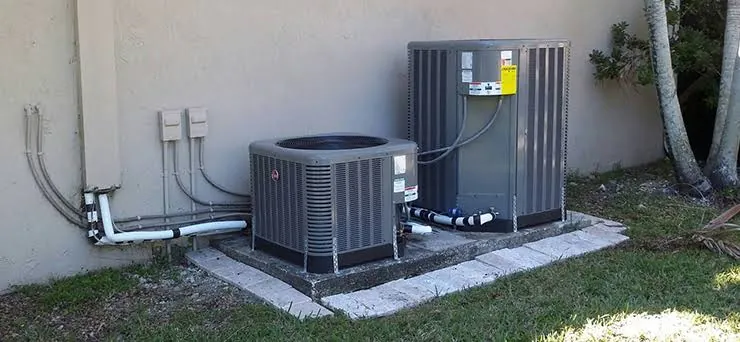
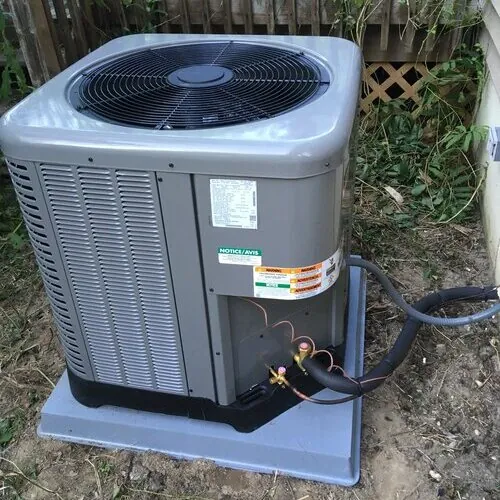
That gets harder when the equipment is old enough that the original parts supply has dried up. In Lynnfield, especially around established streets near South Common, Pillings Pond, and the older ranch and split-level neighborhoods off Salem Street and Walnut Street, many homes were built before 1970 and later upgraded in layers. It is common to see original ductwork serving a 20-year-old outdoor unit, with a newer thermostat trying to control equipment from a different era.
This article explains why HVAC parts no longer available Lynnfield MA searches are becoming more common, when repair still makes sense, and what modern replacement systems actually improve without turning the subject into a sales pitch.
1.Why Older HVAC Parts Disappear From the Supply Chain
Manufacturers do not keep every contactor, circuit board, fan motor, coil, valve, and plastic housing in production forever. Equipment is built in generations. When a production run ends and the next cabinet design arrives, the factory may support parts for a while, but not indefinitely. After enough years, the tooling, suppliers, and assembly lines move on.
Refrigerant changes are a major reason older systems become difficult to service. Many 20-plus-year-old cooling systems were designed around R-22. Because that refrigerant was phased out for environmental reasons, new equipment no longer uses it, and many compatible components are no longer actively made. Even when a technician can diagnose the failed part, finding a proper replacement may take longer than the repair itself.
Electronics have changed the picture too. Older control boards were often simple. Newer ones can be proprietary, communicating, and tied to specific product families. Once a manufacturer redesigns those boards, a discontinued board may become salvage-only. Supplier consolidation also matters. If the original motor or board vendor shuts down a line, the HVAC brand may not have an exact substitute.
Safety and efficiency standards add another layer. A part that technically fits may no longer meet the listing or performance requirements for the original assembly. That is why obsolete HVAC parts Massachusetts searches often lead to used components, warehouse leftovers, or uncertain aftermarket options rather than a clean factory part.
2.The Lynnfield House Style That Makes This Issue Show Up
Lynnfield has newer construction, renovated colonials, and larger custom homes, but much of its day-to-day HVAC work happens in mid-century ranches, capes, and split-level houses. These homes were built for New England living, but not for today’s cooling expectations, plug loads, and year-round comfort habits. Original duct runs may be undersized, leaky, or routed through attics and crawl spaces that swing from freezing to sweltering.
That matters when an older outdoor unit fails. The problem may look like a single bad compressor, motor, or control board, but the whole system has been operating under conditions it was never designed for. A return path may be too small. A branch duct may starve a back bedroom. A finished lower level may have been added without enough airflow. The 20-year-old outdoor unit gets blamed, yet the duct system and indoor equipment are part of the same comfort story.
Lynnfield also sees the full New England mix: single-digit cold snaps, damp spring and fall swings, humid July and August nights, and a North Shore environment where road salt and occasional coastal salt air can be hard on outdoor cabinets and electrical connections. These conditions do not automatically mean replacement, but they do shorten the patience homeowners have for repeated downtime.
3.A Repair-or-Replace Framework for Lynnfield Homeowners
A good decision is not based on age alone, and it is not based on one scary repair quote either. Prodigy Climate Solutions encourages homeowners to look at three practical criteria before committing to an old HVAC system replacement Lynnfield project or another repair.
Criterion One: Parts Reality
First, ask whether the failed part is available as a new, listed replacement from a reliable source. If the answer is yes, and the rest of the system is sound, repair may be the right call. If the answer is no, the conversation changes. Salvage parts can sometimes get heat or cooling back temporarily, but they may come with no meaningful warranty and no clear history. A used board may have sat in a damp basement. A reclaimed motor may already be near the end of its life.
Criterion Two: Remaining Service Life
Next, compare the repair to the likely remaining life of the system. A clean, younger system with one failed capacitor is a different situation from a 22-year-old unit with refrigerant leaks, noisy bearings, and rusted panels. If one repair only buys a short window before the next weak part fails, money is being spent on borrowed time rather than restored reliability.
Criterion Three: Whole-Home Comfort
Finally, judge comfort, not just operation. Does the system keep second-floor bedrooms comfortable? Does it remove humidity during long summer runs? Are utility bills climbing while comfort gets worse? If the equipment runs but never truly satisfies the house, replacement may solve problems that repair cannot.
4.When Repair Still Makes Sense
Repair deserves a fair look. Not every older system needs to be replaced the moment a technician finds a failed part. If the equipment has been maintained, the refrigerant circuit is tight, the needed component is readily available, and the home is comfortable, a repair can be the most responsible choice. That is especially true for small electrical parts, standard motors, thermostat wiring issues, and airflow problems that are not caused by a failing major component.
Sometimes the smartest move is a targeted repair paired with a plan. For example, a Lynnfield homeowner may choose to fix a minor spring failure, then schedule a replacement evaluation before peak summer rather than making a rushed decision during a heat wave. That gives time to inspect ductwork, compare system types, and think through budget and comfort goals.
Maintenance also matters. A system with clean coils, proper airflow, stable electrical readings, and documented service history is easier to trust than one that has been ignored. A service plan such as comfort maintenance can help catch weak parts before they fail on the hottest weekend of the year.
The key is honesty. Repair is useful when it restores dependable operation. It becomes questionable when it only postpones an unavoidable decision while adding more downtime, more stress, and more money into equipment already past its practical service life.
5.What Modern Systems Deliver Beyond Just New Equipment
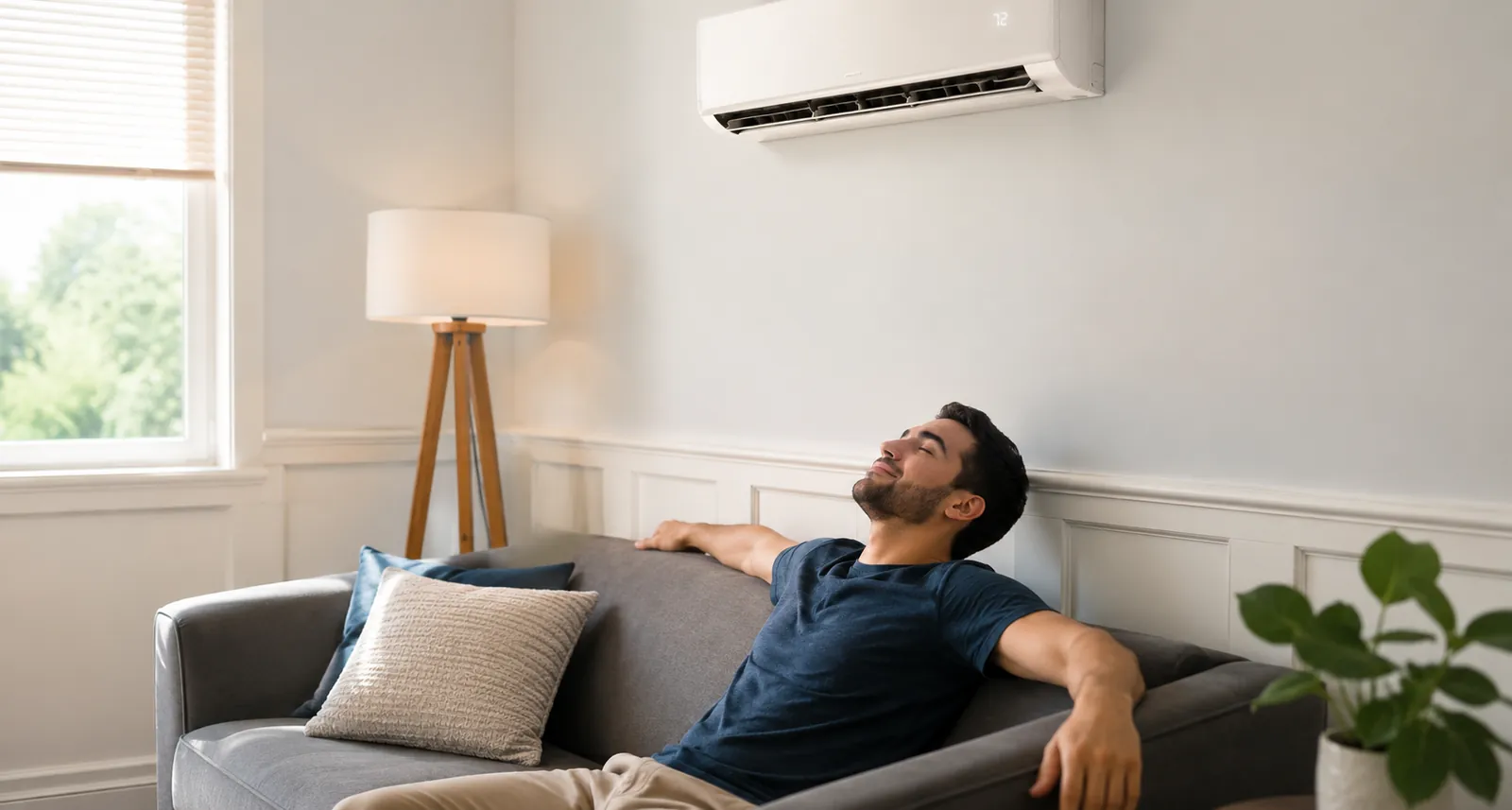
Modern HVAC is not only about having a shiny outdoor unit. The biggest change is capacity control. Inverter-driven systems can ramp up and down instead of running only at full speed or off. That helps the home hold steadier temperatures, reduce short cycling, and improve humidity removal during muggy Lynnfield summers.
Cold-climate heat pumps have also changed expectations in Massachusetts. Properly selected systems can provide strong heating performance in weather that used to be considered too cold for heat pump operation. They still need to be sized and installed correctly, and every home deserves a real load assessment, but the technology is no longer limited to mild fall days. Homeowners comparing options can learn more at Lynnfield heat pump installation.
Noise is another real improvement. Many newer outdoor units are quieter, and variable-speed indoor equipment can move air more gently. That matters in ranches and splits where bedrooms may sit close to mechanical spaces or where the outdoor unit is near a patio, driveway, or neighbor’s window.
Filtration and controls have improved too. Better filter cabinets, compatible air quality accessories, and smart thermostats can help manage comfort more precisely. Most important, new systems come with real warranties and current parts support. If a component fails, the answer is far more likely to be a normal supply-house order than a search through salvage listings for obsolete HVAC parts Massachusetts homeowners hope will fit.
6.Planning an Old HVAC System Replacement in Lynnfield Without Rushing
The worst time to design a replacement is when the house is 86 degrees inside and every contractor in eastern Massachusetts is booked solid. Planning ahead gives the homeowner choices. It allows time to evaluate ducts, electrical capacity, outdoor unit location, insulation, zoning needs, and whether the existing system type still matches how the family uses the home.
For older Lynnfield ranches and splits, ductwork should not be treated as an afterthought. Original ducts may work acceptably with the right equipment, or they may need sealing, return improvements, or targeted modifications. Replacing the outdoor unit alone without checking airflow can leave comfort problems untouched. Prodigy Climate Solutions looks at the system as a whole because equipment performance depends on the house it serves.
Homeowners should also ask about refrigerant type, warranty registration, service access, filter location, condensate management, and how parts are supported over time. Those questions are not glamorous, but they are the difference between a clean installation and years of preventable annoyance.
Massachusetts incentives can change, and eligibility depends on the home and the project, so it is better to verify current information than rely on a neighbor’s story. A starting point is current Massachusetts efficiency rebate guidance, followed by a site-specific evaluation.
Frequently Asked Questions
How do I know if my HVAC parts are no longer available in Lynnfield, MA?
A technician can usually identify the exact failed component and check manufacturer, distributor, and approved replacement sources. If the only options are used parts, online leftovers, or uncertain substitutes, the part is effectively obsolete even if something similar appears in a search result.
Is it unsafe to use salvage HVAC parts?
Not always, but it carries risk. Used components may have no warranty, unknown run time, hidden damage, or compatibility issues. For minor parts it may be a temporary bridge, but for major controls or refrigerant components it deserves caution.
Should I replace a 20-year-old outdoor unit if it still runs?
Not automatically. If it runs reliably, uses available parts, and keeps the home comfortable, continued maintenance can make sense. But it is wise to plan ahead, especially if it uses R-22, has corrosion, or has needed repeated repairs.
Why does R-22 make older cooling systems harder to repair?
R-22 was phased out, so new systems do not use it and many related components are no longer produced in the same way. Service can become more limited and less practical when a system has a refrigerant leak or needs a major sealed-system repair.
Can modern equipment use my original Lynnfield ductwork?
Sometimes yes, but the ducts should be inspected before equipment is selected. Many 1950s to 1970s homes have duct layouts that need sealing, return-air improvements, or airflow balancing to get the full benefit of new equipment.
Are cold-climate heat pumps realistic for Massachusetts winters?
Yes, when properly selected and installed for the home. They are not one-size-fits-all, but current cold-climate models can deliver useful heating through much of a Massachusetts winter, including many cold snaps.
Who should I call about old HVAC system replacement in Lynnfield?
Call a company that will diagnose the present system, discuss repair honestly, and evaluate the whole home before recommending replacement. Prodigy Climate Solutions works with Lynnfield homeowners on both repair decisions and planned upgrades.
Old equipment does not fail on a convenient schedule, and discontinued parts make the situation harder. If your Lynnfield home has original ductwork, a 20-year-old outdoor unit, or a system that keeps needing hard-to-find components, an evaluation can help you decide before urgency takes over.
Prodigy Climate Solutions can inspect the equipment, check parts availability, review comfort concerns, and explain practical options without pressure. Consider booking an evaluation before the first heat wave by calling (857) 316-8944 in Lynnfield
When You Choose Prodigy, You Choose Comfort
Available 24/7 for homeowners across Massachusetts.