July 3, 2026
When HVAC Parts Disappear in Scituate: Repairing or Replacing an Older System
 Articles
A Scituate service call can start with something small: a fan that will not start after a windy night, a control board that smells burnt after a power bump, or an outdoor unit by the water with screws that have nearly become part of the casing. The hard part is not always finding the failure. Sometimes the hard part is learning the part has not been made in years.
That comes up often in older coastal homes from Minot and Egypt Beach to Greenbush, North Scituate, and Humarock. Much of Scituate's housing stock predates 1970, with capes, colonials, ranches, split-levels, and renovated cottages that have seen several generations of heating and cooling equipment. Prodigy Climate Solutions wrote this guide for homeowners facing HVAC parts no longer available Scituate MA problems, especially before storms, salt air, and winter cold turn a weak system into a long outage.
1.Why Good Equipment Ends Up With Unavailable Parts
Manufacturers do not usually discontinue HVAC parts because they want to make a homeowner's life difficult. Production runs end, factories move on, and the supplier that once made a relay, inducer, blower module, or control board may no longer exist in the same form. Once demand drops below a practical level, the part disappears from normal distribution.
Refrigerant rules also matter. Older air conditioning systems that used R-22 are a common example. As refrigerants are phased out, the surrounding parts ecosystem shrinks with it. Compressors, coils, metering devices, and matching components become harder to source, and some repairs no longer support a system that can legally and practically be maintained for the long haul.
Electronics have made the issue sharper. A simple older furnace or air handler might have used generic switches and motors. Newer, but still aging, equipment can rely on proprietary control boards, variable-speed modules, and brand-specific sensors. When those electronics are redesigned, the previous version may not have a clean substitute.
2.What Scituate Weather Does to Older HVAC Systems
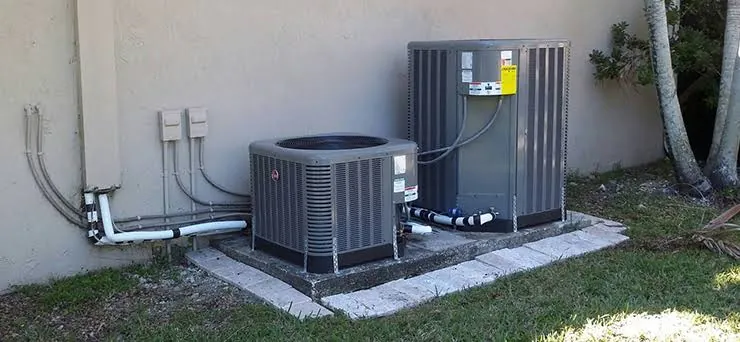
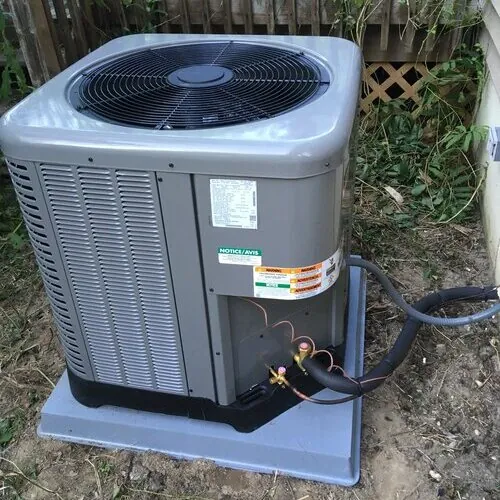
Scituate is not an easy place for outdoor equipment. Salt air reaches farther inland than many homeowners expect, especially during coastal storms. Outdoor cabinets, coil fins, fan guards, contactors, fasteners, and electrical terminals can corrode faster here than in a similar system well away from the shoreline.
Power interruptions add another layer. A nor'easter can bring wind, salt spray, heavy rain, and short cycling power in the same night. Older control boards and motors that already run hot or have weakened insulation may fail after a surge or a quick off-on event. The next morning, the thermostat is calling, but the equipment is silent.
Then there is New England weather itself: single-digit cold snaps, humid July and August stretches, and shoulder-season swings where a home may need heat in the morning and cooling later in the week. Older equipment that is marginal in fair weather often shows its age when Scituate weather stops being polite.
3.When a Repair Still Makes Sense
Repair is not a bad word. If the system is otherwise sound, the part is available through normal channels, and the repair restores reliable operation without creating a chain of other concerns, fixing it may be the right call. That is especially true for newer equipment, isolated failures, or a home that is not ready for a larger project.
A practical repair decision looks at more than the part on the truck. Age, refrigerant type, cabinet condition, heat exchanger condition where applicable, electrical wear, comfort complaints, and service history all matter. A repair that buys years is different from a repair that only gets you through the next cold weekend.
For homeowners comparing old HVAC system replacement Scituate options, the question is not whether replacement is always better. It is whether another repair fits the remaining life of the system. Prodigy Climate Solutions often starts by explaining both paths, because a rushed replacement is not helpful, and neither is sinking effort into equipment that is already at the edge.
4.The Salvage-Part Problem: Hope, Delay, and Risk
Sourcing used parts from retired systems
When a manufacturer no longer supports a component, the search may move to salvage yards, online sellers, retired equipment, or a contractor's leftover shelf. Sometimes that works. A used panel, motor, or board may get heat or cooling restored when no new part exists.
The problem is what comes with that choice. Used components usually carry no meaningful manufacturer warranty, may have unknown run hours, and may have been removed from equipment that failed for related reasons. A board from a damp basement or a motor from a rusted outdoor unit can look acceptable and still be near the end of its own life.
Downtime is another real cost, even when no dollar figure is quoted. Waiting for a salvage part during a cold snap or a humid August week is frustrating. If the wrong revision arrives, or the part fails after installation, the homeowner is back at the beginning. That is why obsolete HVAC parts Massachusetts searches should be treated as a stopgap, not a full plan.
There are times when salvage makes sense, such as keeping a lightly used system running while a planned replacement is scheduled. But if a household is relying on scarce parts for every new failure, the repair strategy has become fragile.
5.What Modern Systems Actually Deliver
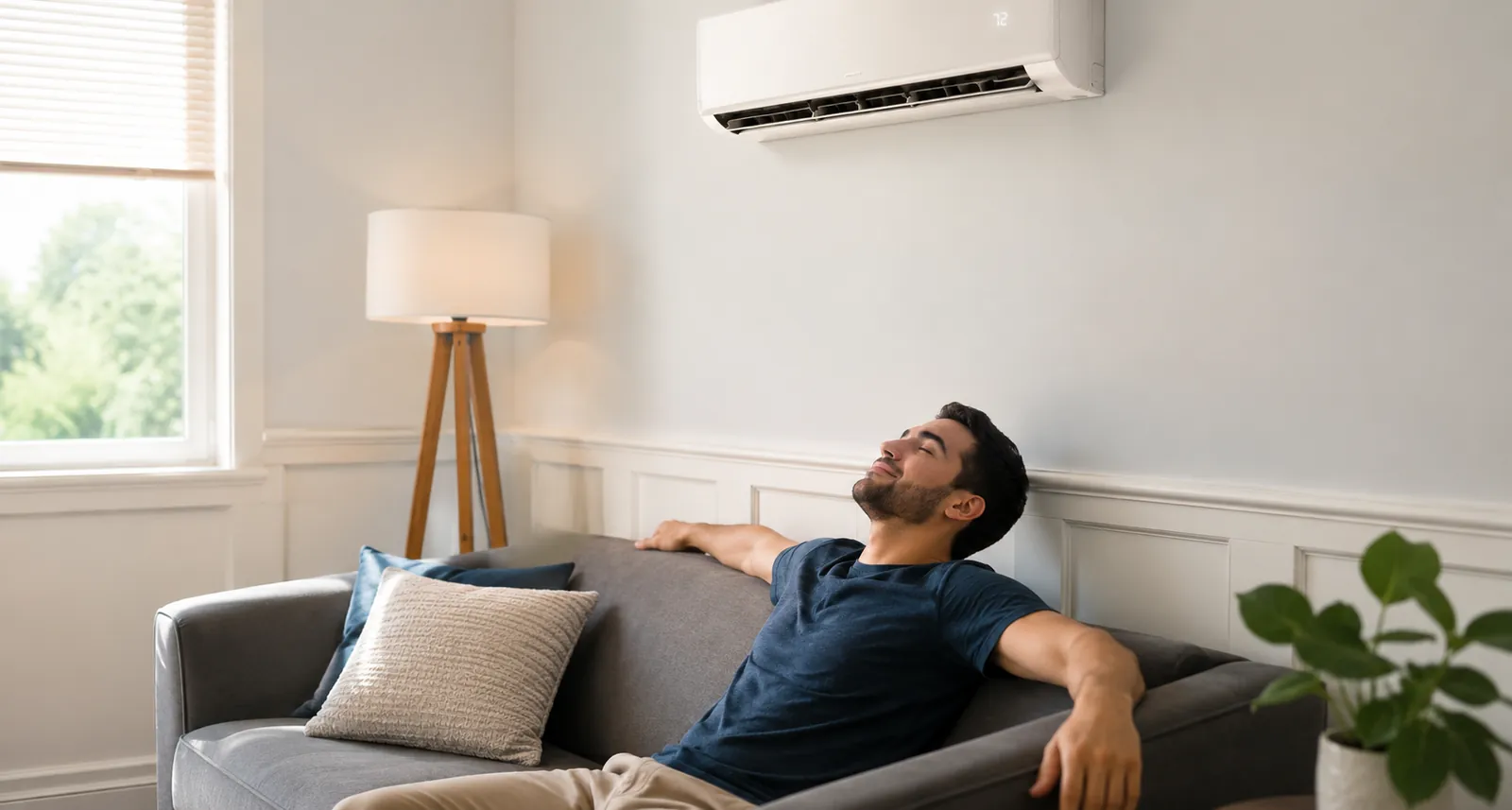
Modern HVAC is not just a shinier outdoor box. Inverter-driven equipment can vary its capacity instead of running only at full output or fully off. That steadier operation can help reduce temperature swings, improve dehumidification, and keep rooms more even during long humid stretches on the South Shore.
Cold-climate heat pumps have also changed the conversation in Massachusetts. Properly selected and installed systems can deliver useful heating in weather that would have challenged older heat pump designs. They still need correct sizing, duct evaluation where ducts are used, and honest planning for the home's layout, insulation, and electrical capacity. Homeowners researching options may want to review heat pump installation in Scituate.
Quieter operation is another practical benefit. Variable-speed indoor blowers, improved outdoor fan design, and better cabinet construction can make a noticeable difference in smaller lots or bedrooms near equipment. Better filtration options and smart controls can also help households manage comfort without constant thermostat adjustments.
The less glamorous benefit is support. A current system comes with real parts availability, documented service procedures, and manufacturer warranties when installed and registered correctly. Maintenance still matters, and a plan like HVAC maintenance support can help spot corrosion, wiring wear, and drainage issues before storm season tests the system.
Frequently Asked Questions
How do I know if my HVAC parts are no longer available in Scituate, MA?
A technician should verify the equipment brand, serial information, part number, and any approved replacements through normal supply channels. If distributors show the part as discontinued with no substitute, you may be looking at salvage-only availability. In Scituate, salt damage can also make removal difficult, so availability is only one part of the decision.
Why can't a contractor just install a universal part?
Some parts are safely replaceable with approved universal components, such as certain capacitors, contactors, or thermostats. Many control boards, blower modules, gas ignition components, communicating controls, and refrigerant-side parts are not that simple. Using an incorrect component can create unsafe operation, nuisance shutdowns, or damage to other parts.
Is an R-22 air conditioner automatically due for replacement?
Not automatically, but it deserves a careful conversation. If the system is tight, cooling well, and needs a minor non-refrigerant repair, repair may be reasonable. If it has a refrigerant leak, a failed major component, or multiple age-related issues, replacement often makes more sense than chasing a shrinking support network.
What signs suggest repair is becoming a poor investment?
Repeated service calls, hard starts, rising utility bills, uneven rooms, weak airflow, corrosion, and parts that take days or weeks to locate are warning signs. Age matters too, but age alone does not tell the whole story. The strongest signal is a pattern of failures on equipment already beyond its expected service window.
Can coastal salt air really shorten HVAC equipment life?
Yes, especially for outdoor units near open water, marsh exposure, or wind-driven spray. Salt can attack coil fins, electrical terminals, cabinet panels, fan hardware, and fasteners. Regular rinsing when appropriate, maintenance, and coastal-rated installation practices can help, but they do not make equipment immune.
What does a modern variable-capacity system feel like in the house?
Instead of blasting on and shutting off, variable-capacity equipment can run longer at lower output. That often feels steadier, quieter, and less drafty. In summer, longer lower-speed operation can help remove humidity, which matters during July and August on the South Shore.
Should I replace before the system fails completely?
If parts are scarce and the system is central to your winter heat or summer cooling, planning ahead is usually less stressful than reacting during bad weather. Pre-failure replacement gives time to evaluate sizing, ducts, electrical needs, and equipment choices. Emergency decisions after a storm rarely give homeowners the same breathing room.
Will Prodigy Climate Solutions tell me if repair is still the better option?
Yes. A good evaluation should include the condition of the existing equipment, the availability of parts, the likely remaining life, and the comfort goals for the home. If a sensible repair can buy reliable time, that should be stated plainly; if replacement is the safer long-term path, that should be explained without pressure.
An older HVAC system can be perfectly respectable until one unavailable part changes the whole picture. In Scituate, coastal storms, power interruptions, salt exposure, humid summers, and sharp winter cold make that picture even less forgiving. The best decision is usually made before the system is down, not while the house is uncomfortable and a rare part is being hunted online.
If your equipment is aging, relying on obsolete parts, or making you wonder whether another repair is wise, Prodigy Climate Solutions can evaluate it and talk through realistic options. Consider a gentle checkup before nor'easter season by calling (857) 316-8944 in Scituate.
When You Choose Prodigy, You Choose Comfort
Available 24/7 for homeowners across Massachusetts.