Heating
Prodigy Service

Heating

Warm homes, lower bills, quiet operation.

Furnaces, boilers, and heat pumps installed and serviced by a team that treats your home like their own. We help homeowners across Massachusetts stay warm without overpaying for energy.

A Massachusetts heating system runs roughly six months a year, often in homes with a hundred years of retrofits stacked on top of each other. We repair and replace furnaces, boilers and heat pumps with combustion safety, correct sizing and real efficiency math — not a nameplate swap.

Heating Repair

We diagnose the real problem — not just the symptom — and fix it right the first time.

System Replacement

Modern high-efficiency systems can cut heating costs dramatically. We'll show you the honest numbers.

Maintenance Plans

Two visits a year keeps your system safe, efficient, and covered.

No-heat calls: what we check first

Most no-heat calls resolve to a handful of causes: a tripped flame sensor or dirty igniter on a furnace, a failed thermocouple or low water pressure on a boiler, a clogged condensate trap on a high-efficiency unit backing up into the pressure switch, a seized circulator, or a control board that lost its mind after a power blip. We diagnose in a defined sequence and show you the failed component. On combustion equipment we also test for cracked heat exchangers and check draft and carbon monoxide, because a heating repair that ignores combustion safety isn't a repair.
Furnace, boiler or heat pump — how to actually choose

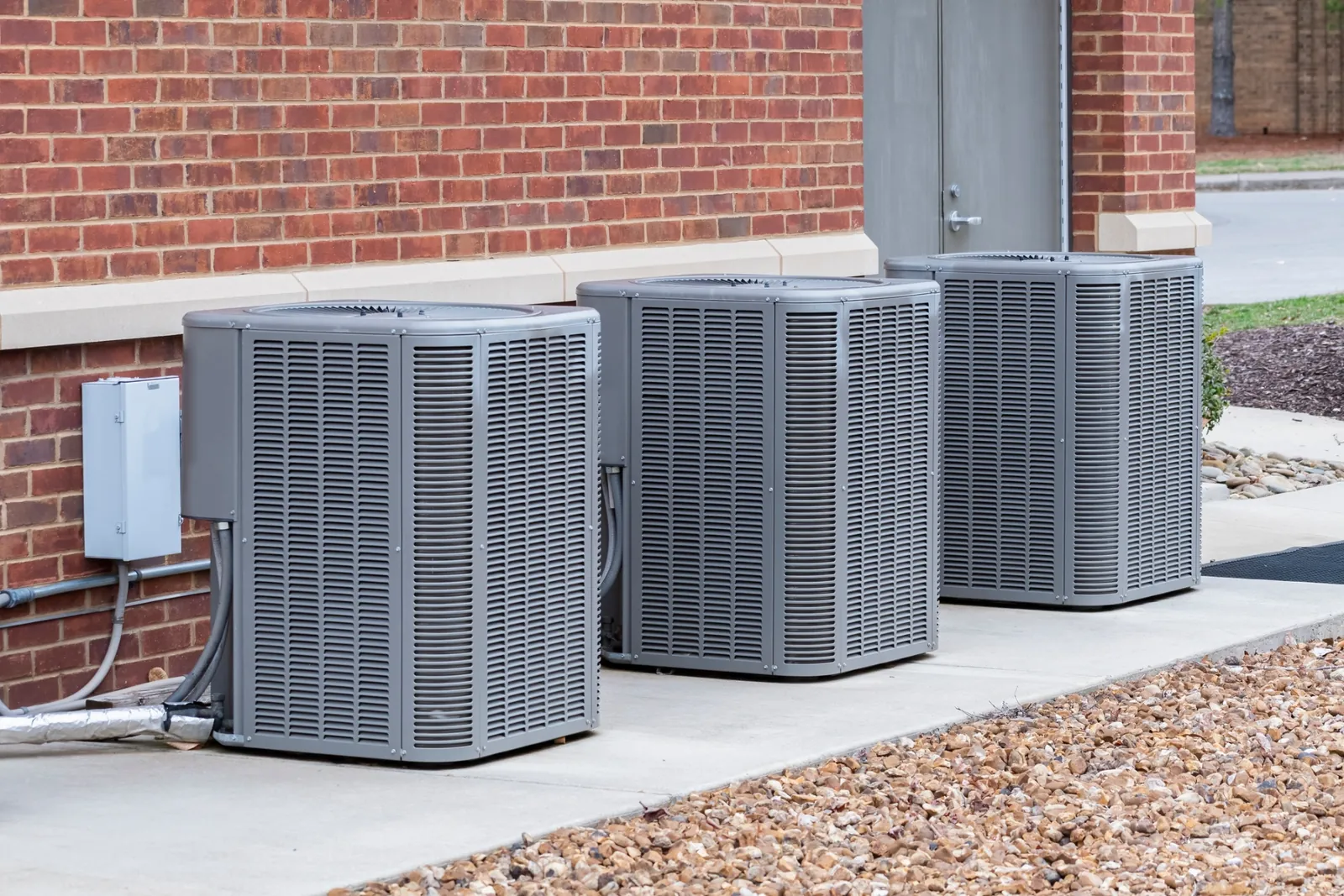
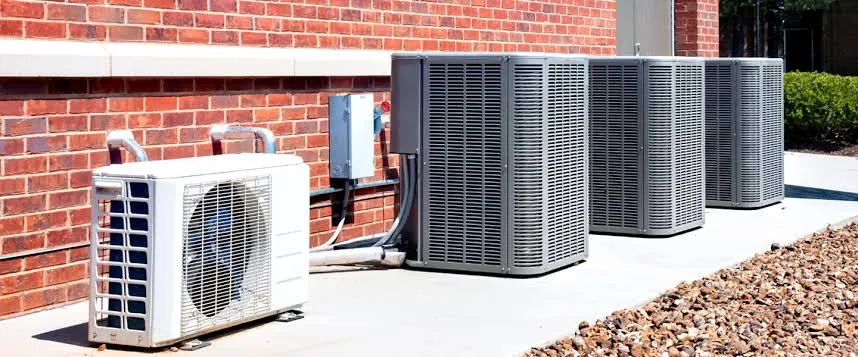
If you have hydronic radiators or baseboard, a boiler replacement is usually the least disruptive path, and modern modulating-condensing boilers with outdoor reset can meaningfully cut fuel use. If you have ductwork, you're choosing between a high-efficiency furnace and a ducted cold-climate heat pump. If you have neither — or you have rooms the current system has never reached — ductless heat pumps often win, because they solve comfort and efficiency at the same time. What decides it is the house: envelope, distribution, electrical capacity and how long you plan to stay.

Do heat pumps really work through a Massachusetts winter?

Yes, and we install them here every year. Cold-climate models are rated to deliver full heating capacity well below 0°F and continue to produce heat below that. Two things determine whether a homeowner is happy: correct sizing at the design temperature (not at a mild-day guess), and a sensible backup strategy — either retaining the existing fossil-fuel system for the coldest handful of nights or specifying supplemental electric heat. We also set expectations about operating cost honestly, because the answer depends on your electric rate and what fuel you're leaving behind.

Oversizing is the default mistake

Most replacement heating systems in this area are sized by matching the old equipment's input rating, which was itself oversized decades ago and then made more oversized by every window replacement and insulation project since. An oversized furnace short-cycles, produces temperature swings, and stresses the heat exchanger. We do a load calculation on every replacement. It is common to find that a 100,000 BTU furnace should be replaced with something considerably smaller, and that the resulting system is quieter, more even, and cheaper to run.

Rebates, financing and what they require

Massachusetts homeowners on Eversource, National Grid and other sponsoring utilities can access Mass Save® heat pump rebates and the 0% HEAT Loan, and qualifying heat pumps also carry a 30% federal tax credit up to $2,000. The catch is order of operations: the largest rebate tier requires a no-cost Home Energy Assessment and weatherization work first. Towns on municipal light plants — Wellesley and Concord among them — run separate local programs instead. We confirm which applies to your address before it appears on a proposal.

What this typically costs in Massachusetts

Real ranges from work we do in Metro Boston and MetroWest — not a teaser price. Your written, itemized quote comes after we see the house.

Quoted upfront
Emergency no-heat diagnostic

Stated before we dispatch, credited toward the repair.

$200 – $1,100
Common repairs

Igniters, flame sensors, thermocouples and circulators at the low end; control boards and gas valves higher.

$6,500 – $12,000
High-efficiency furnace

Includes venting, condensate handling and permit; ductwork corrections priced separately.

$12,000 – $25,000
Whole-home heat pump

Before incentives. Panel or service upgrades quoted as a visible line item, never buried.

See which Mass Save® rebates apply to you

Heating questions we hear most

Do you handle emergency no-heat calls?+

Yes. No-heat calls are prioritized, especially in freezing weather and in homes with infants or elderly residents. Call or text (857) 316-8944 — texting is often the fastest way to reach us during a cold snap.

My furnace turns on and off every few minutes. What's wrong?+

That's short cycling, and it's usually one of three things: a restricted filter or duct choking airflow, a limit switch tripping from overheating, or an oversized furnace satisfying the thermostat too fast. The first two are repairs; the third is a sizing problem worth knowing about before you replace.

How long does a heating system last?+

Furnaces typically 15–20 years, boilers often longer, heat pumps 12–15. Annual maintenance and correct sizing matter more than brand.

Should I replace my boiler with a heat pump?+

Sometimes. Homes with radiators can go ductless for heat pump comfort and keep the boiler as cold-snap backup, which also qualifies for a partial-displacement rebate. Full changeovers make sense when the envelope and electrical service support them. We'll model both rather than push one.

Is a cracked heat exchanger really that serious?+

Yes. It can allow combustion gases including carbon monoxide into your living space. We verify it with testing and show you the evidence — and we red-tag equipment when safety requires it, even when that's an inconvenient answer.

Can you service oil systems?+

We service and replace gas, propane and electric heating equipment and install heat pumps. If your home runs on oil, call us and we'll tell you honestly whether we're the right fit for the specific job.

Where we do this work

Town-by-town detail on housing stock, electrical capacity and local incentive programs.

CallGet Estimate